HRDC Claimable Team Building helps Malaysian employers turn a company gathering into structured learning in communication, collaboration, leadership and problem solving. Use this guide to plan the programme, choose a suitable venue, prepare your HRDF grant documents and understand allowances before committing your budget.
HRDF is the former name commonly used for HRD Corp. A claimable programme is subject to the employer’s eligibility, the registered course, approved grant, actual attendance and applicable funding rules. A resort booking or recreational trip alone does not establish training eligibility.
Request a team building proposal · Explore team building courses · Meet the Skeilling team
Guidance checked: 2 November 2026. Official HRD Corp requirements and your grant approval take precedence. Sample staffing and budgets below are planning illustrations, not published package prices or funding promises.
How to use HRDF funds for team building
Start with the business problem: disconnected departments, unclear handovers, low trust or inconsistent leadership. Define what employees should do better after the training. Then match the objectives, activities and evaluation to an eligible course rather than choosing a holiday itinerary and adding a training label afterwards.
Under HRD Corp Claimable Courses, the registered training provider claims the approved course fee while the employer claims eligible allowances. Course fees can be debited against the employer’s levy account instead of an ordinary upfront course-fee payment. Employers with outstanding levy or interest are not eligible for financial assistance under the published scheme guidance. Confirm the provider and programme registration before applying. See the official SBL-Khas grant application guide.
- Check the company’s HRD Corp account, available levy, authorised contact and intended trainees.
- Agree on the learning objectives, course registration, delivery format, dates and exact venue with the provider.
- Prepare an itemised budget separating training, travel, accommodation and any employer-funded extras.
- Submit the correct grant application and obtain approval with the required advance period.
- Conduct the approved training, record participation accurately and reconcile claims after completion.
For the portal walkthrough, read Skeilling’s HRDC grant application guide. Check the current official timing in the application section below before selecting a start date.
What should HRDC claimable team building achieve?
A useful programme connects each exercise to a workplace behaviour. Participants should leave with specific actions, an owner and a date for follow-up. Choose a small set of measurable outcomes instead of trying to cover every soft skill in one day.
| Learning focus | Workplace behaviour and intended outcome |
|---|---|
| Communication | Practise clear instructions, active listening and checking understanding during a team challenge. |
| Collaboration | Share information between groups, allocate resources and agree on responsibilities. |
| Leadership | Rotate the leader role, practise feedback and review how decisions affect participation. |
| Problem solving | Analyse a constraint, test a solution and explain what the team would change. |
| Workplace transfer | Produce a team charter or practical improvement plan for the next 30 days. |
Illustrative one-day learning agenda
Seven learning hours; breaks and lunch are excluded.
| Time | Session | Learning evidence |
|---|---|---|
| 09:00–10:30 | Team goals, communication and baseline exercise | Agreed success measures |
| 10:45–12:45 | Collaborative problem-solving challenge and debrief | Observed handovers and decision log |
| 13:45–15:45 | Leadership and resource-sharing simulation | Peer feedback and revised strategy |
| 16:00–17:30 | Reflection, team charter and action planning | Individual commitments and evaluation |
This is a proposed learning structure, not an approved course schedule. Finalise the indoor/outdoor balance, activities, trainer assignments and risk controls in the submitted programme. HRD Corp’s trainer accreditation-by-activity guidance includes a 50:50 indoor/outdoor requirement for team-building evidence; that requirement should not be treated as a substitute for approval of your actual programme. Read the trainer framework.
HRDF allowance usage and cost limits
Budget each item against the approved scheme, location and actual attendance. The January 2026 HRD Corp Allowable Cost Matrix (ACM) lists these general-course reference limits:
- External in-house course fee: up to RM10,500/group/full day or RM6,000/group/half day; fewer than five trainees triggers proration.
- Eligible meal allowance: up to RM100/pax/day, subject to location and duration. (in your own premieses)
- Eligible daily allowance: below 100 km, up to RM250/pax/day; 100 km or more, up to RM500/pax/day. Confirm boundary treatment in e-TRiS; explanatory notes use slightly different wording.
- Daily allowance is limited to the lower of the applicable ceiling and the employer’s actual payment; the higher-distance allowance includes accommodation.
- Claim one applicable meal or trainee allowance, not both. Extra travel days need approval.
- Attendance must reach 75% of total training hours; allowances are prorated. Provider claims require JD14, T3 attendance and an invoice to HRD Corp.
These ceilings are not an automatic entitlement or a quote. Ask for a cost-by-cost eligibility check, particularly where a venue package combines meals, rooms and activities. Avoid claiming the same expense twice. Keep leisure upgrades, accompanying family expenses and optional entertainment in a separate employer-funded budget unless expressly approved.
How should an employer manage allowances?
Create an allowance worksheet before travel: employee name, employer, workplace, venue, travel dates, attendance, eligible category, approved amount and actual payment. Finance should reconcile it after the programme. Explain whether staff receive a cash allowance or the company settles approved arrangements directly, and obtain clarification before assuming a direct supplier payment qualifies as an employee allowance.
Keep travel costs separate from the training fee so employees and finance can see who pays each supplier. Where the venue changes, recheck eligibility and approval requirements before moving the programme. A longer journey should serve a learning or operational purpose, not simply seek a larger allowance.
HRDC team building by state and destination
Compare local venue options, learning objectives and illustrative 2D1N or 3D2N itineraries. Langkawi is grouped under Kedah.
Where should you hold team building in Malaysia?
Choose a location based on where employees travel from, learning objectives, accessibility, weather backup and total cost. The shortlist below is a planning comparison, not a claim of venue availability or an approved destination list.
| Location option | When to consider it | What to verify |
|---|---|---|
| Office or nearby training venue | A focused day programme with minimal travel and no overnight stay | Uninterrupted room access, breakout space and usable activity areas |
| Kuala Lumpur / Selangor | A central meeting point for Klang Valley teams | Traffic, parking, accessible rooms and travel time from each branch |
| Penang | A northern team or interdepartmental programme | Mainland versus island transfers and an indoor rain plan |
| Melaka / Negeri Sembilan | A retreat option for teams comparing central and southern travel routes | Coach access, room capacity, training space and meal arrangements |
| Sabah | A Sabah-based team or a specifically justified regional gathering | Flight connections where needed, local transfers and contingency costs |
| Beach or nature retreat | Experiential activities with a clear learning debrief | Site risk assessment, weather alternatives, first aid and suitable terrain |
Get a written venue proposal covering classroom capacity, breakout areas, toilets, prayer facilities, dietary needs, accessibility, emergency arrangements, rooming lists and cancellation terms. Separate training hours from check-in, sightseeing and free time. Ask the provider to demonstrate how each proposed activity supports the course outcomes.
How many pax can join, and how many trainers are needed?
The official SBL-Khas support guide lists 5–50 pax for in-house training and 1–9 pax for public training. The ACM identifies 50 trainees per group for in-house soft skills. For larger events, agree separate approved groups or batches rather than assuming extra facilitators remove the group limit. Use the official participant guidance and your grant conditions.
The following is a delivery planning recommendation, not an HRD Corp mandatory trainer ratio. Final staffing depends on activity risk, simultaneous stations, participant needs and the approved course. Verify each lead trainer’s current eligibility through the HRD Corp trainer requirements.
| Group size | Recommended lead trainers | Facilitation and staffing notes |
|---|---|---|
| 10–20 pax | 1 lead trainer | 1 activity facilitator |
| 21–35 pax | 1 lead trainer | 2 facilitators for rotating activities |
| 36–50 pax | 1 lead trainer | 3 facilitators, with additional qualified safety personnel where needed |
| More than 50 pax | An assigned lead trainer for each approved batch, max 50 pax per lead trainer | Adequate facilitation and separate attendance records for each batch |
A facilitator supports participation and logistics; do not count them as an approved trainer without confirmation. Outdoor adventure activities may need specialist instructors and site-specific supervision beyond the learning team. Obtain a written staffing plan before accepting the quotation.
Cost breakdown when several employers join one team building
Decide the scheme before dividing the invoice. Joint delivery under HRD Corp Claimable Courses and Skim Latihan Bersama (SLB) are not interchangeable labels. The ACM describes SLB as involving two or more registered employers, with separate grant applications and documented cost sharing; SLB provider exemptions must be checked. Ask HRD Corp or the provider to confirm the correct route for the actual arrangement.
Illustrative shared budget: 30 pax, three employers, one day
Assumptions: Employer A sends 12 people, B sends 10 and C sends 8. The example uses a negotiated training fee of RM9,000, a RM4,500 venue/meal package, RM1,500 shared transport and RM600 materials. Total commercial budget: RM15,600, or RM520 per participant. These are sample amounts, not a Skeilling price list or approved claim amounts; tax is excluded.
Commercial cost allocation by headcount
| Item | Total | A: 12 pax | B: 10 pax | C: 8 pax |
|---|---|---|---|---|
| Training delivery | RM9,000 | RM3,600 | RM3,000 | RM2,400 |
| Venue and meals | RM4,500 | RM1,800 | RM1,500 | RM1,200 |
| Shared transport | RM1,500 | RM600 | RM500 | RM400 |
| Activity materials | RM600 | RM240 | RM200 | RM160 |
| Total budget | RM15,600 | RM6,240 | RM5,200 | RM4,160 |
Allocation formula: shared cost × employer’s participants ÷ total participants. Allocate employer-specific flights, rooms or transfers directly instead of spreading them across everyone. State how no-shows, substitutions, cancellation charges and minimum supplier commitments affect the commercial bill. The supplier’s bill and the amount eligible for reimbursement may differ.
Prepare one reconciliation showing the full event budget, each employer’s share, who pays each supplier, the grant references and the final attendance. For SLB, include a joint training letter and cost-sharing letter as applicable. Do not let several employers each claim the full common invoice.
Sample Pecahan Kos – Joint Venture Team Building Letter
Download this sample organiser letter, Pengesahan Pecahan Kos Latihan Yang Dikongsi Bersama, as a reference when preparing the cost-sharing documentation for a joint-employer team building claim.
Download sample Pecahan Kos letter (PDF, 2 pages)
How to adapt the sample for your grant and claim file
- Use the organising employer’s letterhead and replace every example company, training provider, venue, date and signatory detail.
- List each participating employer, its trainee headcount, allocated cost and the combined total. Match these to the quotation, approved arrangement and final attendance.
- For a grant-stage estimate, use proposed details and appropriate wording. For a post-training claim, confirm the actual programme and reconciled costs; do not certify completion before training takes place.
- Have the authorised organiser check, sign and date the final letter. Confirm the applicable submission requirements with HRD Corp or your training provider.
Check before use: this supplied sample says costs are pro rata, but allocates RM20,000 and RM1,000 to employers sending 3 and 2 people. A strictly headcount-based split of RM21,000 would instead be RM12,600 and RM8,400. It also lists 20–24 September 2028 alongside “4 Hari 3 Malam”; reconcile the dates, training hours and duration. The PDF is provided unchanged as a reference, not an official HRD Corp form or a guarantee of claim approval.
Documents needed from the employer and training provider
The official grant guide names the course quotation/invoice, trainer profile and schedule/course content as core attachments, with a transportation quotation where applicable. The working checklist below also includes practical preparation records; not every record is a mandatory upload for every application.
Employer preparation checklist
- Correct registered company name, MyCoID and updated e-TRiS contact officer.
- Levy balance and eligibility check, internal budget approval and the person authorised to submit.
- Trainee roster matching employment records and the fields requested in e-TRiS; protect identity information and share through agreed secure channels.
- Workplace or branch details, exact venue, dates, training hours and travel arrangements.
- Requested allowances and cost allocation, including each employer’s pax and responsibilities for a shared programme.
- For a joint programme, the organiser’s details and the scheme-specific joint training documentation.
Training provider (TP) preparation checklist
- Registered provider and course details that match the selected e-TRiS programme.
- Itemised quotation, duration, fee basis, inclusions, exclusions and commercial terms.
- Course outline, learning objectives, detailed session timetable and evaluation approach.
- Trainer profiles and evidence of current trainer eligibility where required.
- Venue and transport details supporting the proposed arrangement.
- Attendance and declaration templates, plus the document responsibilities agreed with the employer.
Ask for a consistent document pack: course title, dates, venue and costs should agree across all files. Use the official grant attachment checklist when submitting.
When to apply: is 15 days before the trip enough?
Do not rely on submission 15 days before travel as a guaranteed safe deadline. HRD Corp’s current Claimable Courses page states that, from 15 June 2026, in-house training can be held 14 days after grant approval. The approval date matters, not just the submission date. The approved programme must begin within the stated 90-calendar-day implementation window after the advance approval period. Claims must be filed within six months of training completion. Check the current official notice.
- Four to six weeks ahead: a recommended planning buffer to agree outcomes, collect documents, check eligibility and submit the grant. This is our planning advice, not an official processing promise.
- Before confirming travel: check the approved dates, advance approval interval, participant plan and cancellation exposure.
- At least 15 days before the trip: use this as an internal readiness checkpoint to review approval and logistics, not as a substitute for the official rule. Travel and training start dates may differ.
- During training: follow the approved programme and record attendance and any issues promptly.
- Immediately afterwards: reconcile attendance, payments and supporting records, then submit complete claims without waiting for the final deadline.
Public training has a temporary three-day post-approval interval from 15 June to 31 December 2026; the official page says it returns to 14 days from 1 January 2027. Do not classify a closed company retreat as public training simply to use a shorter interval. Confirm your scheme and approval conditions directly.
Documents for employer allowances and provider claims
Separate the TP’s course-fee claim from the employer’s allowance claim. HRD Corp’s SBL/SLB employer claim checklist lists invoices and receipts for course fees and transport, flight evidence for airfare, and a cost-sharing letter for SLB. Certain allowance categories show no routine supporting-document requirement; that does not remove the need for truthful records or prevent further verification. See the official employer claim checklist and the applicable scheme requirements.
For a shared programme, use the Pecahan Kos organiser letter sample as a starting point for your reconciled cost-sharing record.
What should the employer give the TP after training?
- The grant reference and approved programme details needed to match the claim.
- Accurate final participant attendance, including absences and partial attendance.
- Completed employer sections of the applicable attendance and joint declaration forms, signed only after checking the facts.
- A confirmed cost-sharing reconciliation for a multi-employer programme.
What should HR and finance retain for the employer allowance claim?
- Grant approval, actual training dates, completed attendance records and final eligible trainee list.
- Allowance calculation by employee, location, duration, attendance and approved cost item.
- Payment records or allowance acknowledgements supporting amounts actually paid; retain them as an audit trail even where no routine upload is required.
- Supplier invoices, receipts, e-tickets and transport records for the corresponding expenses claimed.
- Updated company bank/e-disbursement details and the authorised employer declaration.
- Queries, replies, approvals and a final reconciliation against the ledger.
Never sign a blank declaration or inflate attendance to match an original quotation. Check the current JD14 and T3 versions with the provider. Submit only the documents requested for the correct scheme, and keep originals available. Skeilling’s HRDC claim walkthrough explains the portal flow; the current official checklist and approval conditions remain controlling.
What to do if HRD Corp inspection or verification happens
HRD Corp describes verification as checking actual training, attendance, venue and delivery against the approved arrangement. Its 2026 update confirms both physical and digital verification. See HRD Corp’s explanation of training oversight.
The following practical readiness steps help the employer and TP respond accurately:
- Appoint a contact: identify the employer PIC and TP lead who can locate the approval and answer operational questions.
- Verify the officer: check official identification or validate an unexpected request through an official HRD Corp contact channel before sharing personal records.
- Keep training accessible: make the approved timetable, exact activity location and relevant trainer available. For outdoor rotations, maintain a current group location list.
- Show accurate evidence: provide the approved course, trainer details, actual attendance and relevant supporting records requested by the officer.
- Explain discrepancies honestly: disclose an absence, delay, weather disruption or trainer issue. Do not stage activities, backdate forms or ask absent employees to sign.
- Record follow-up: note requested documents, responsible persons and deadlines; retain the response and inspection correspondence with the claim file.
Before changing an approved date, venue, trainer or programme, check the current amendment or resubmission rules with HRD Corp. Approval of the original plan should not be assumed to cover a replacement arrangement.
How many days until the allowance is reimbursed?
There is no guaranteed payment date measured from the trip itself. HRD Corp’s published Claimable Courses FAQ, Version 5, states an eight-working-day approval and disbursement service standard for complete claims. This is a published service benchmark, not a guaranteed current turnaround for every case; confirm the applicable target when submitting. Read the official claims FAQ, questions 42–44.
Allow for document collection, TP and employer submissions, queries, attendance verification and correct bank registration. Finance should fund any required outlay without depending on a fixed reimbursement day. Track the claim reference and status in e-TRiS, answer queries promptly and investigate delays using the official support channel. An incomplete or queried claim should not be treated as being inside an unconditional payment countdown.
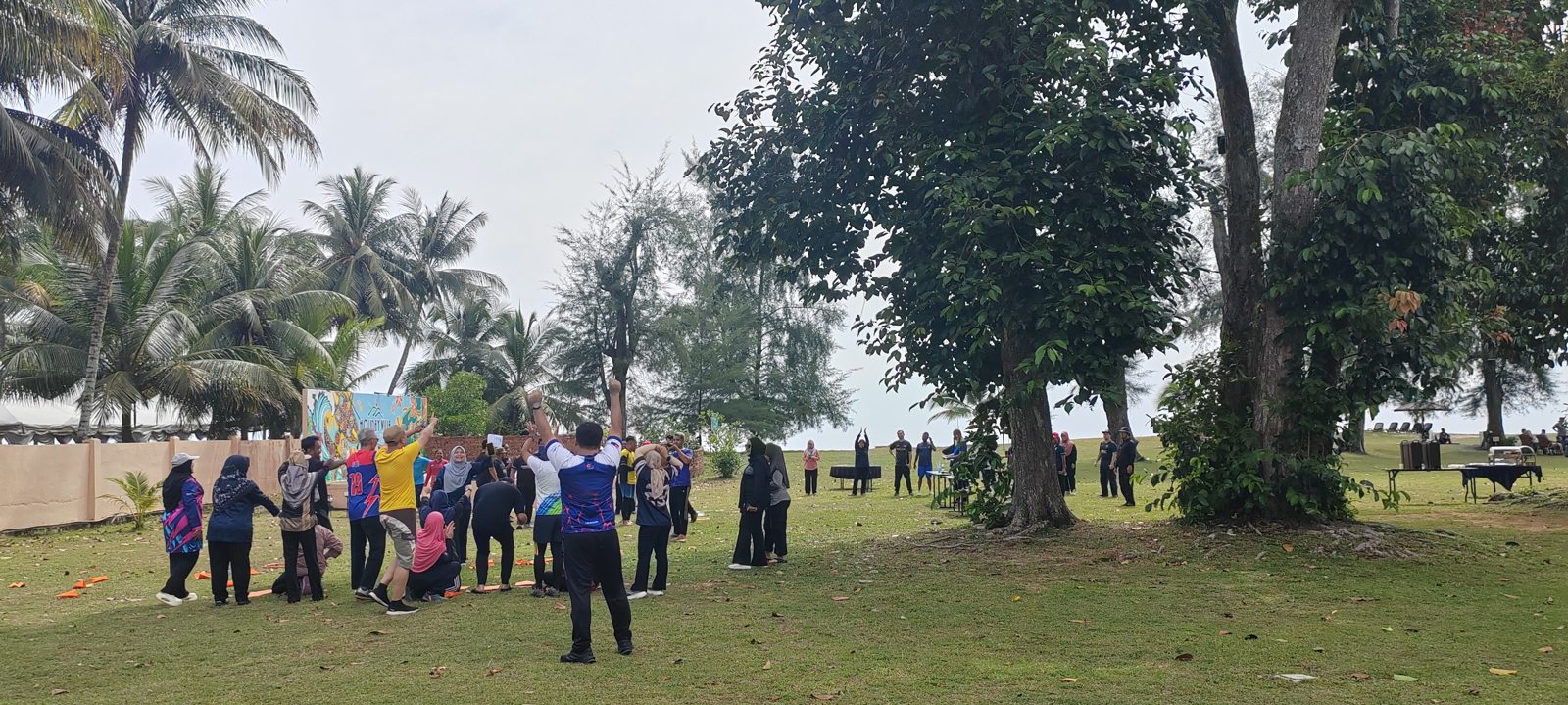
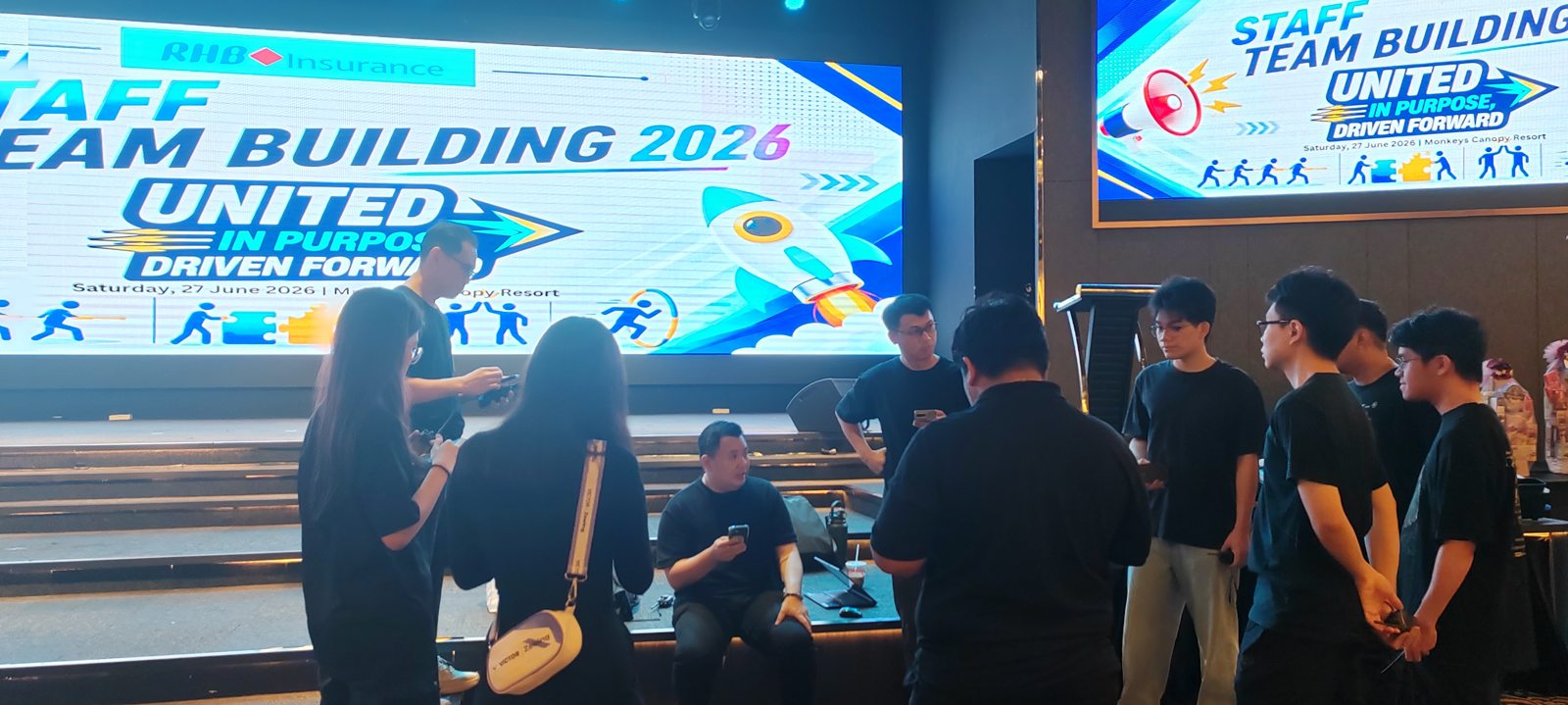
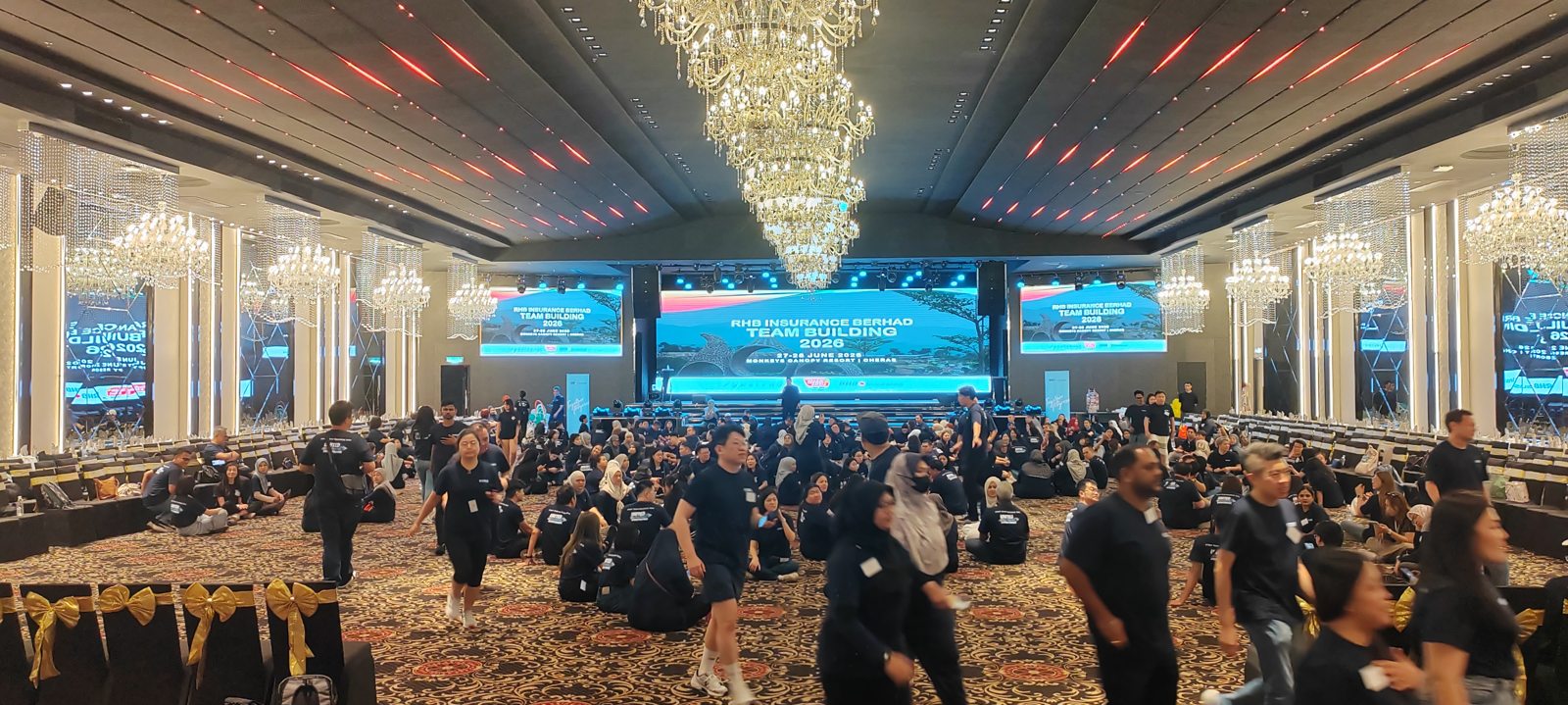
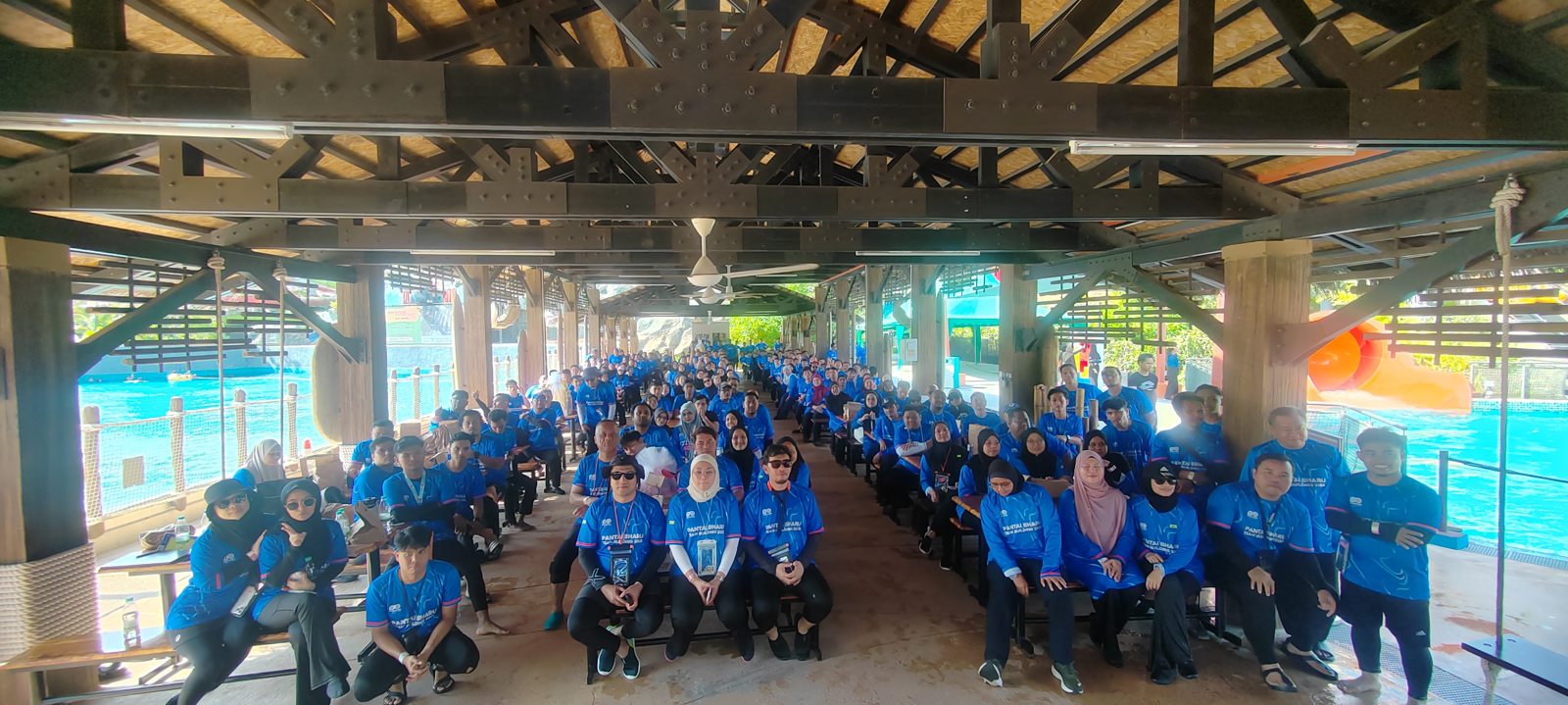
HRDC Claimable Team Building Photo Gallery
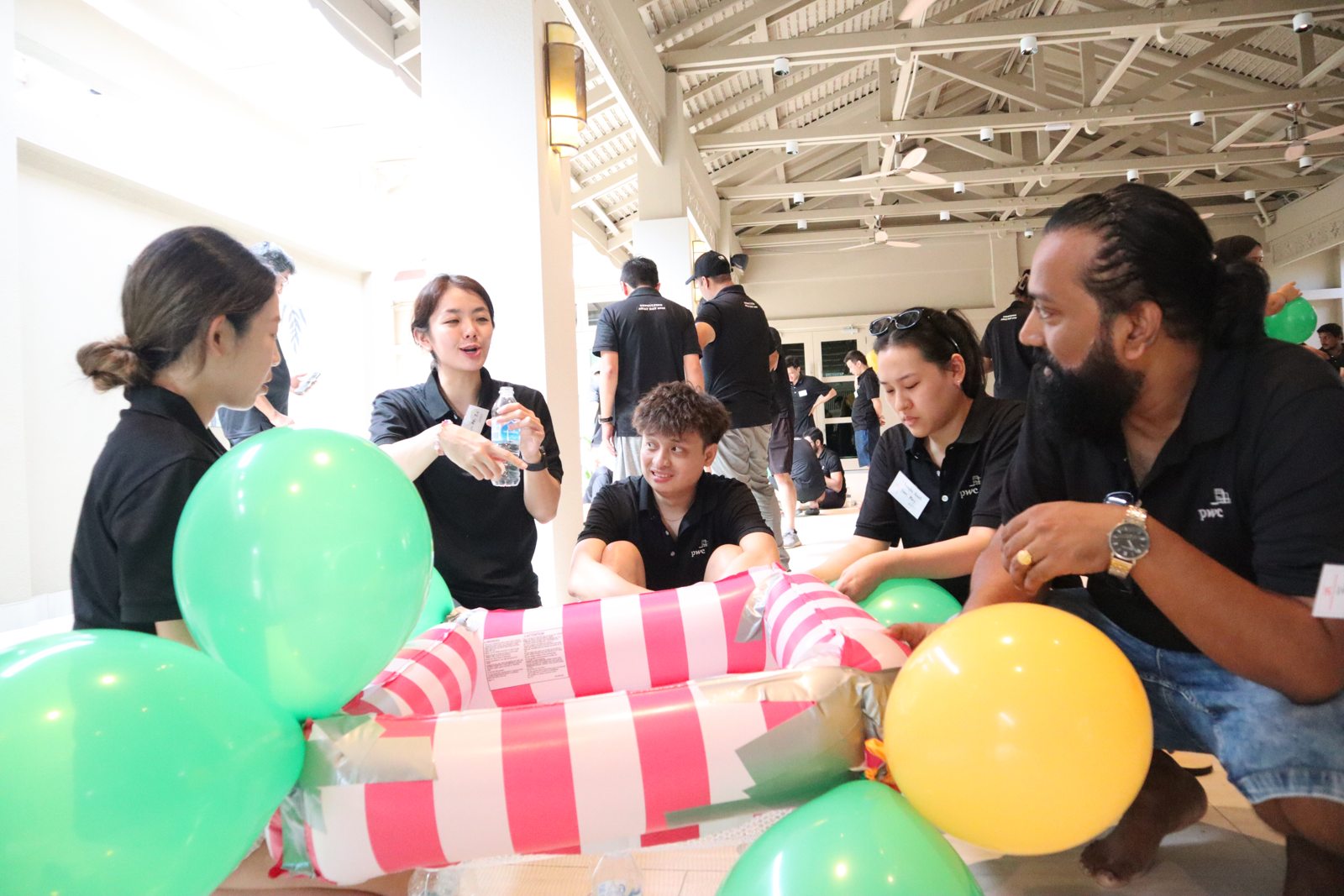
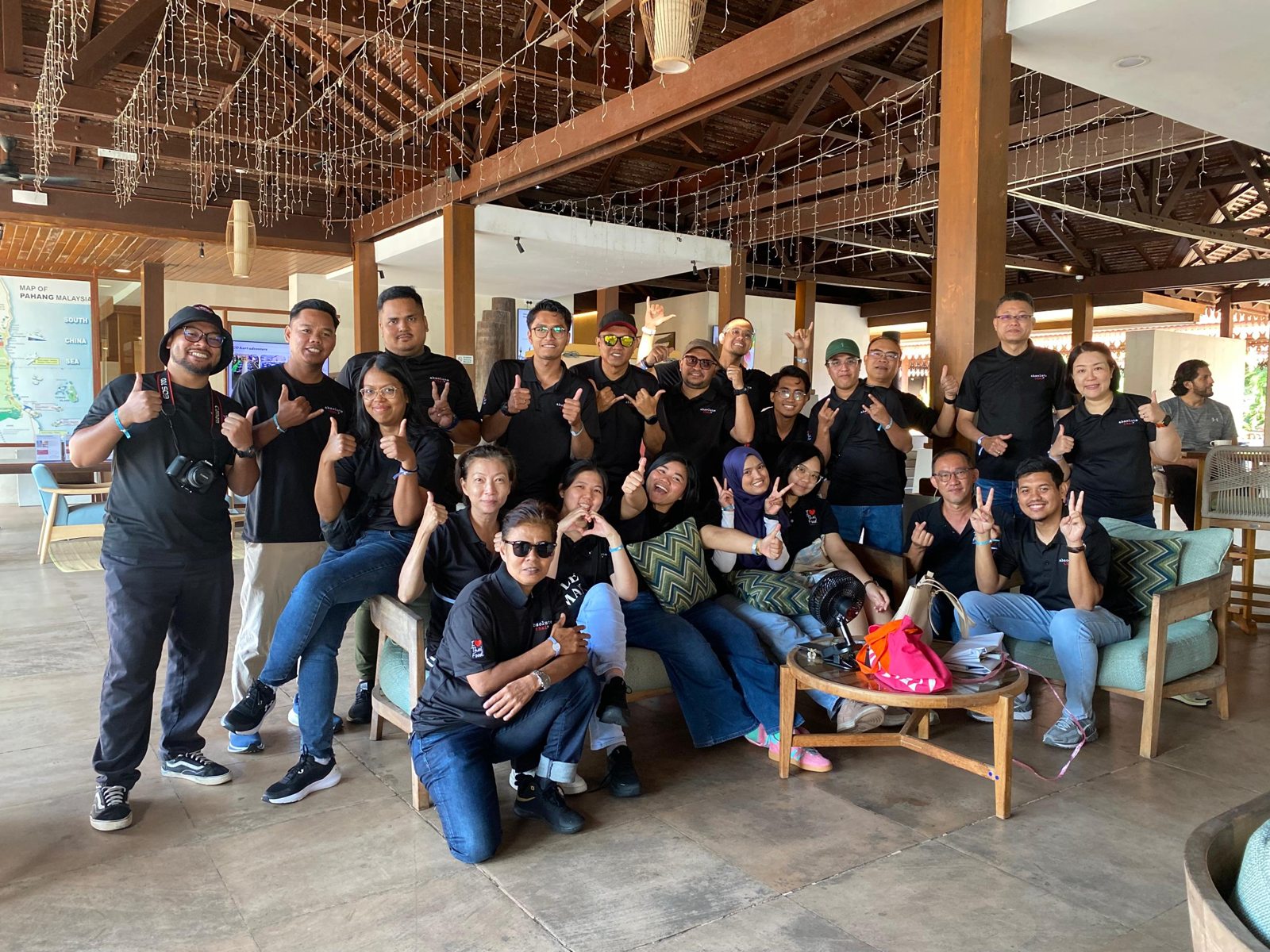
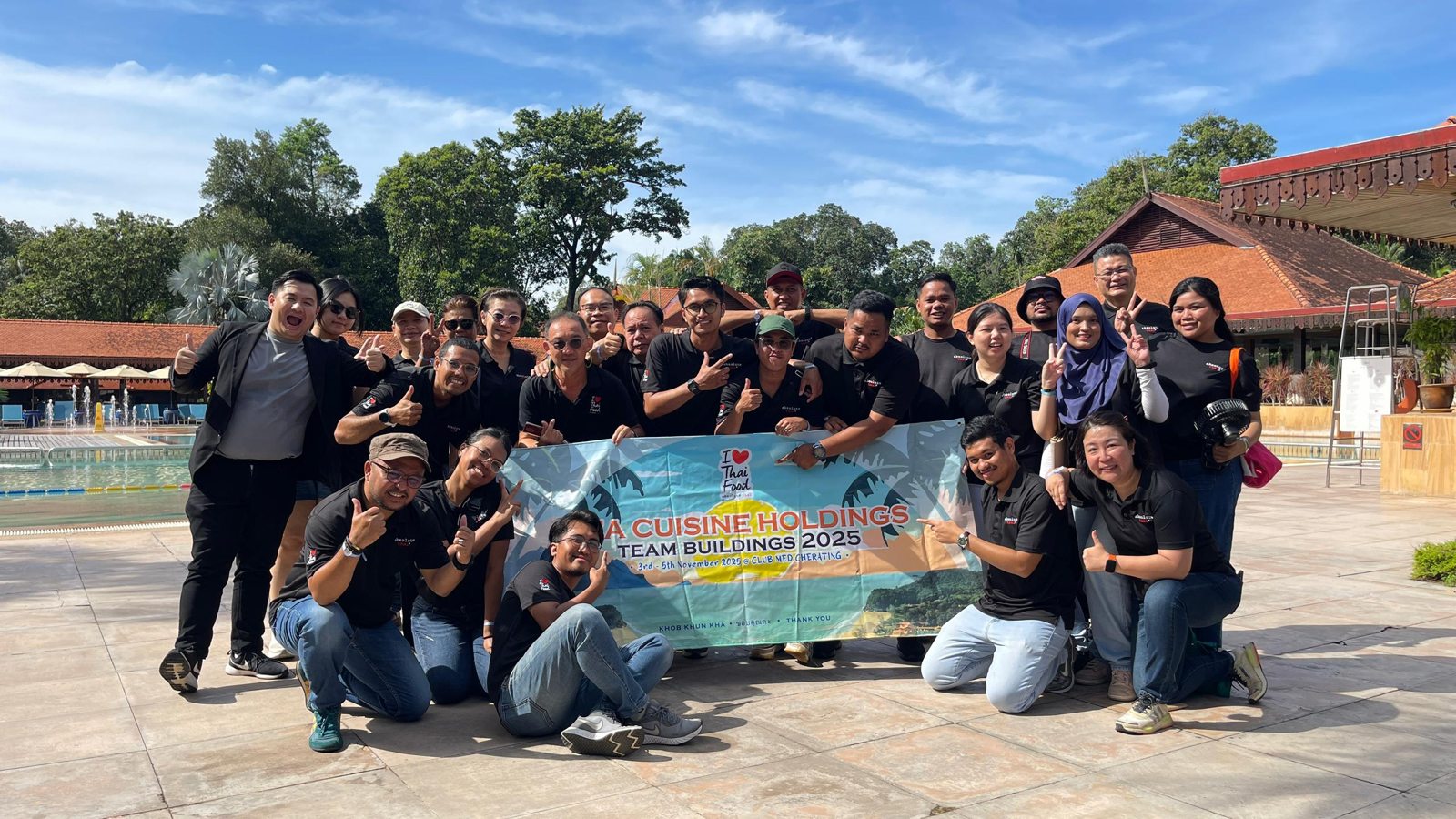
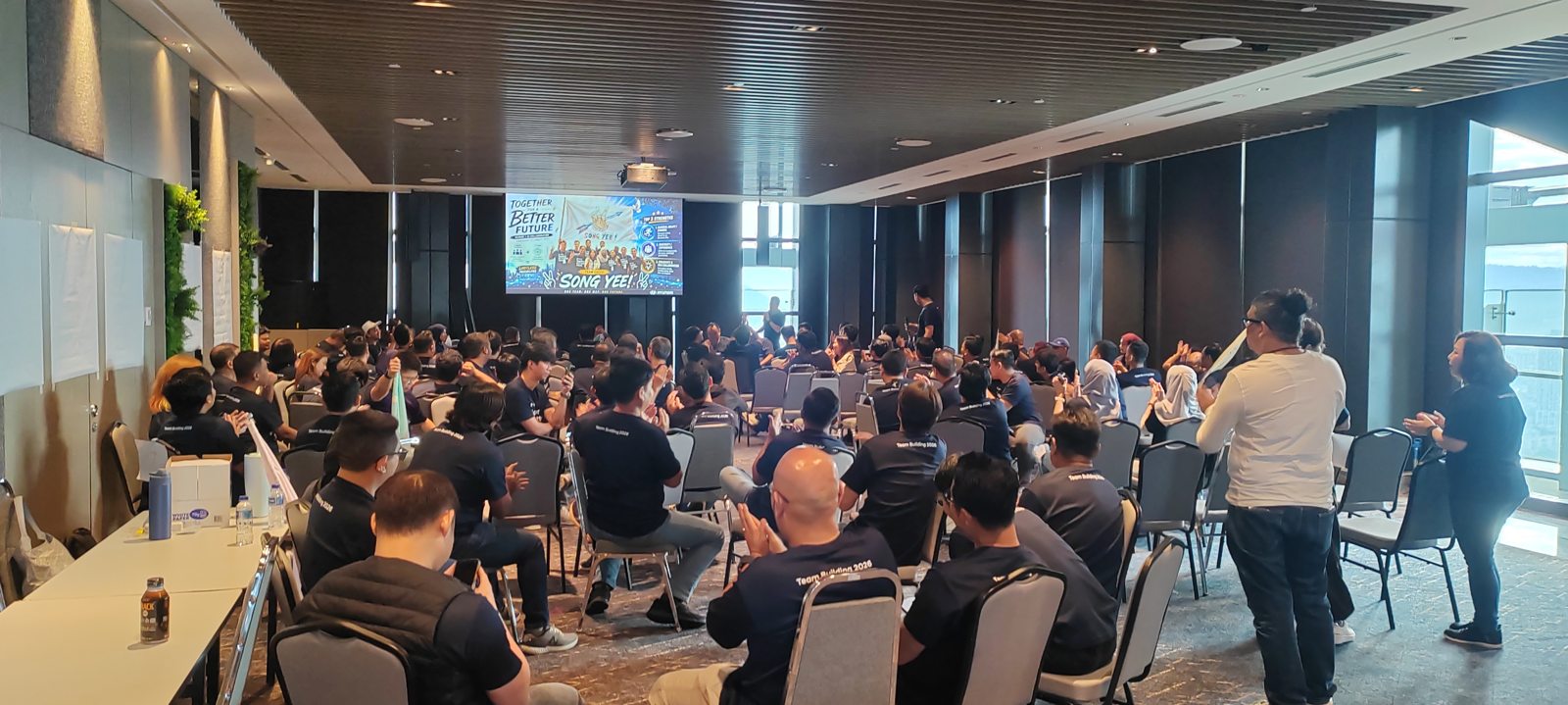
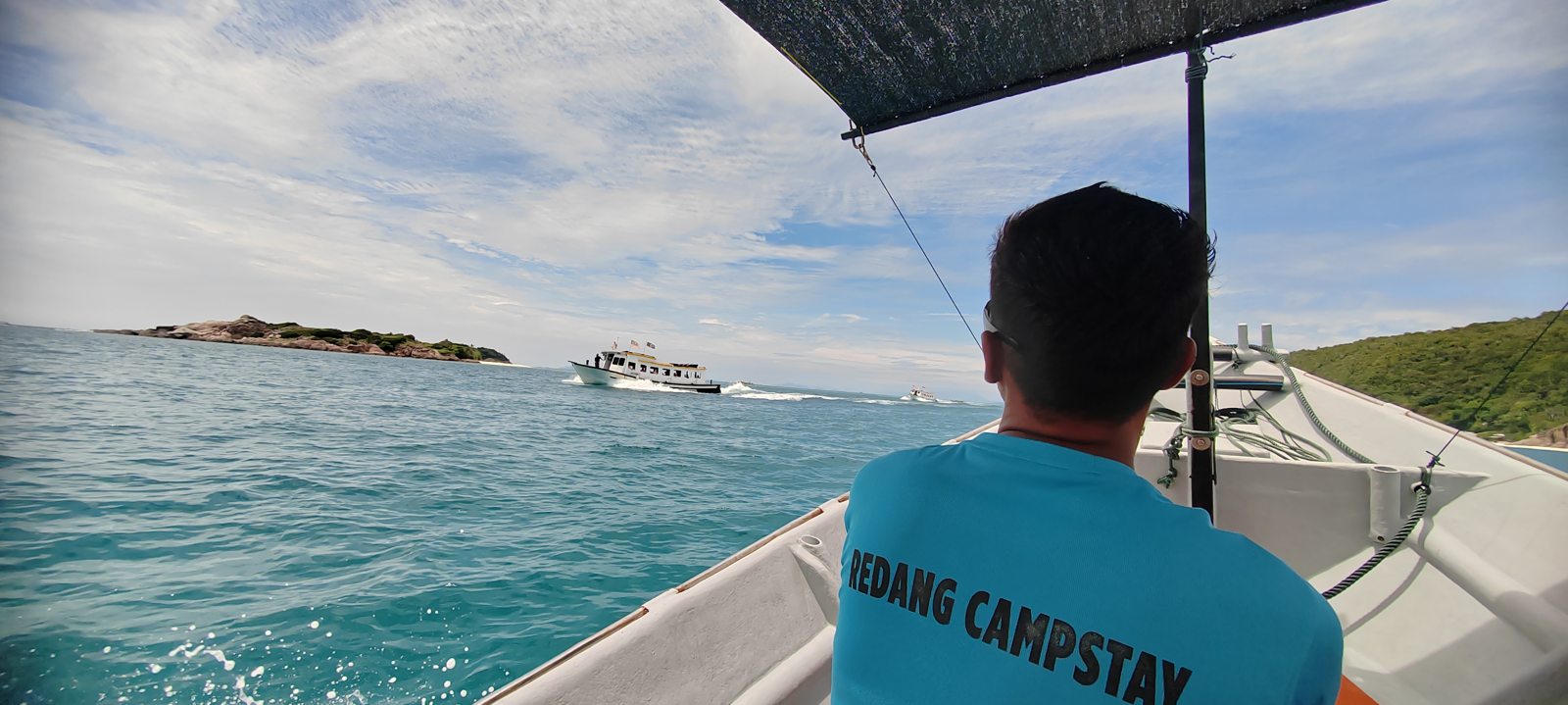
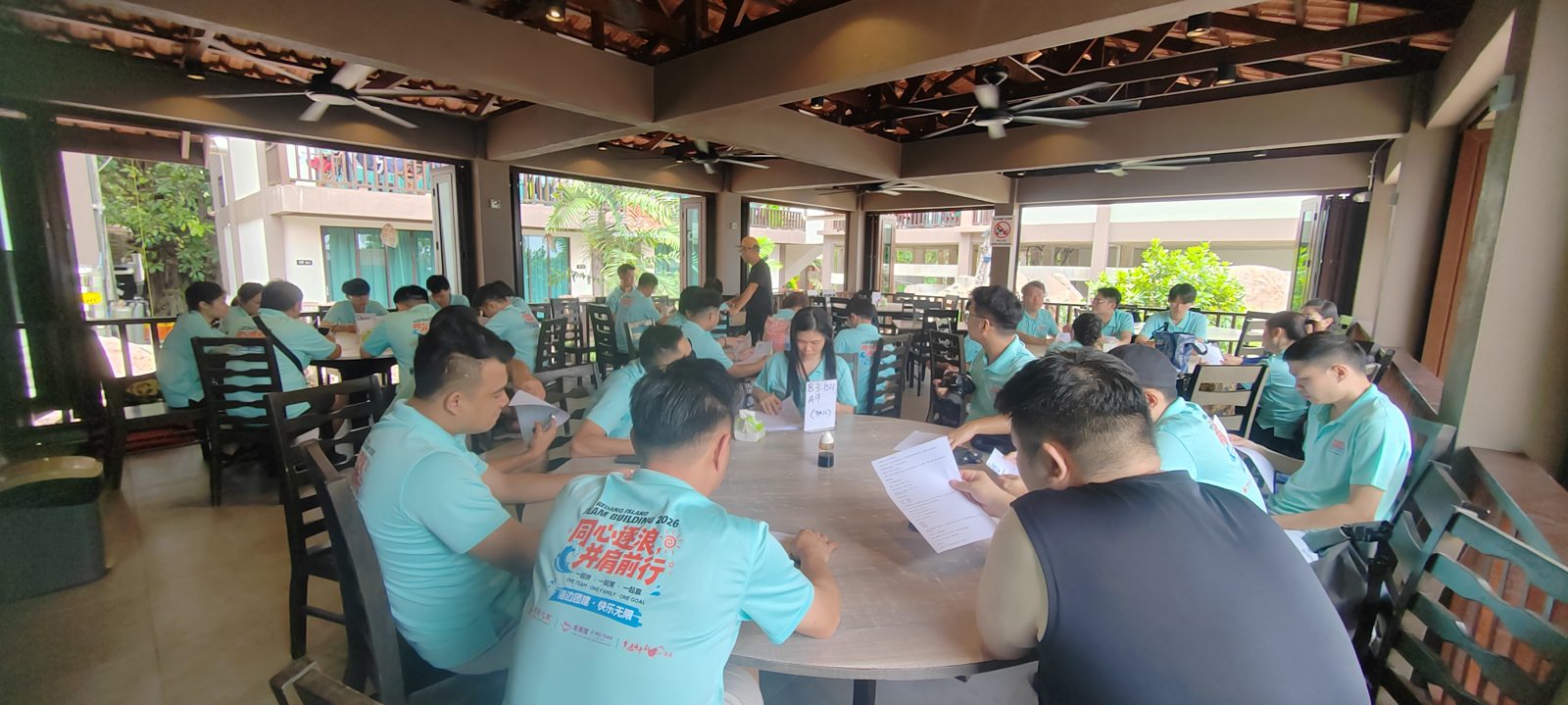
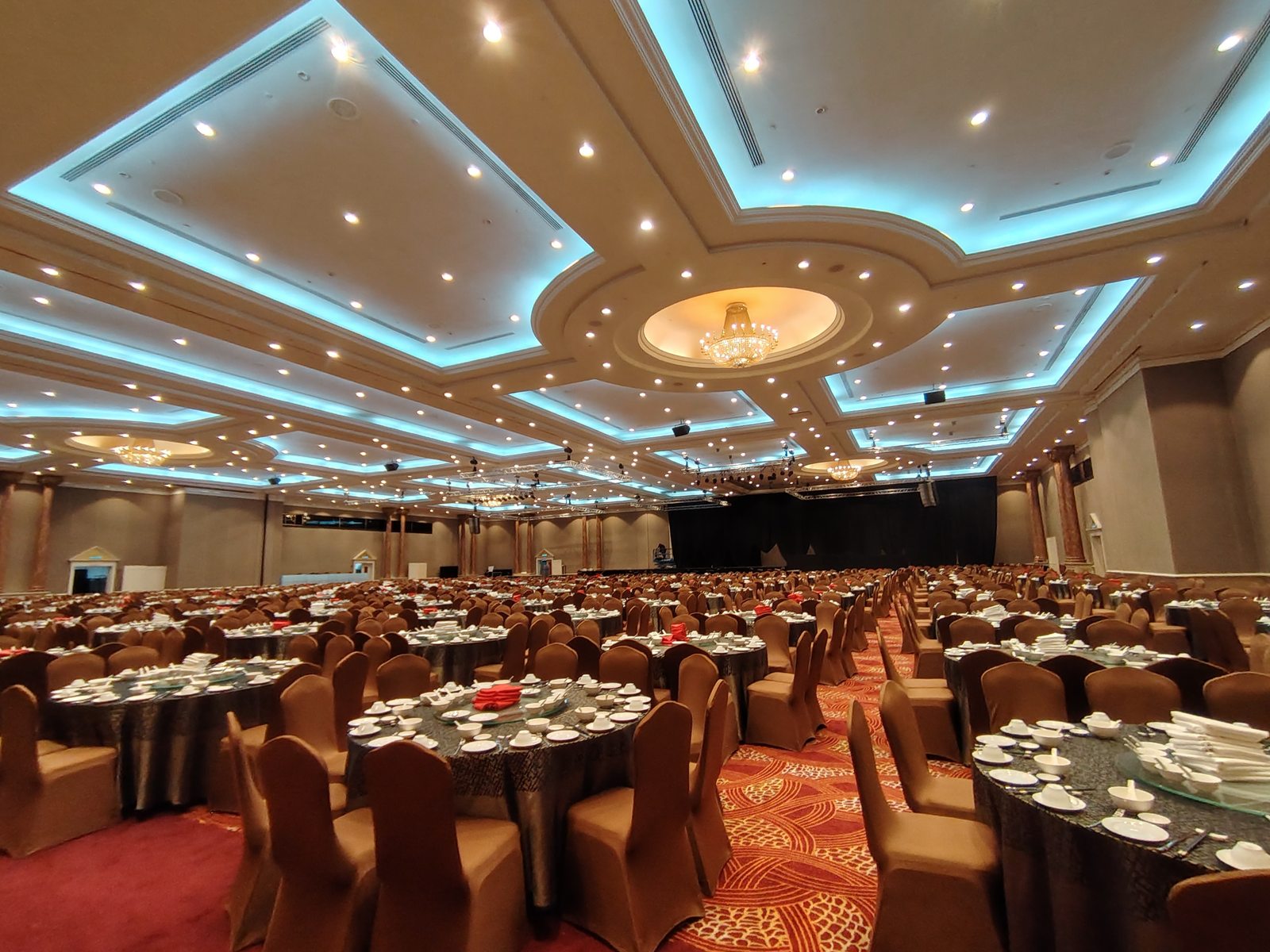
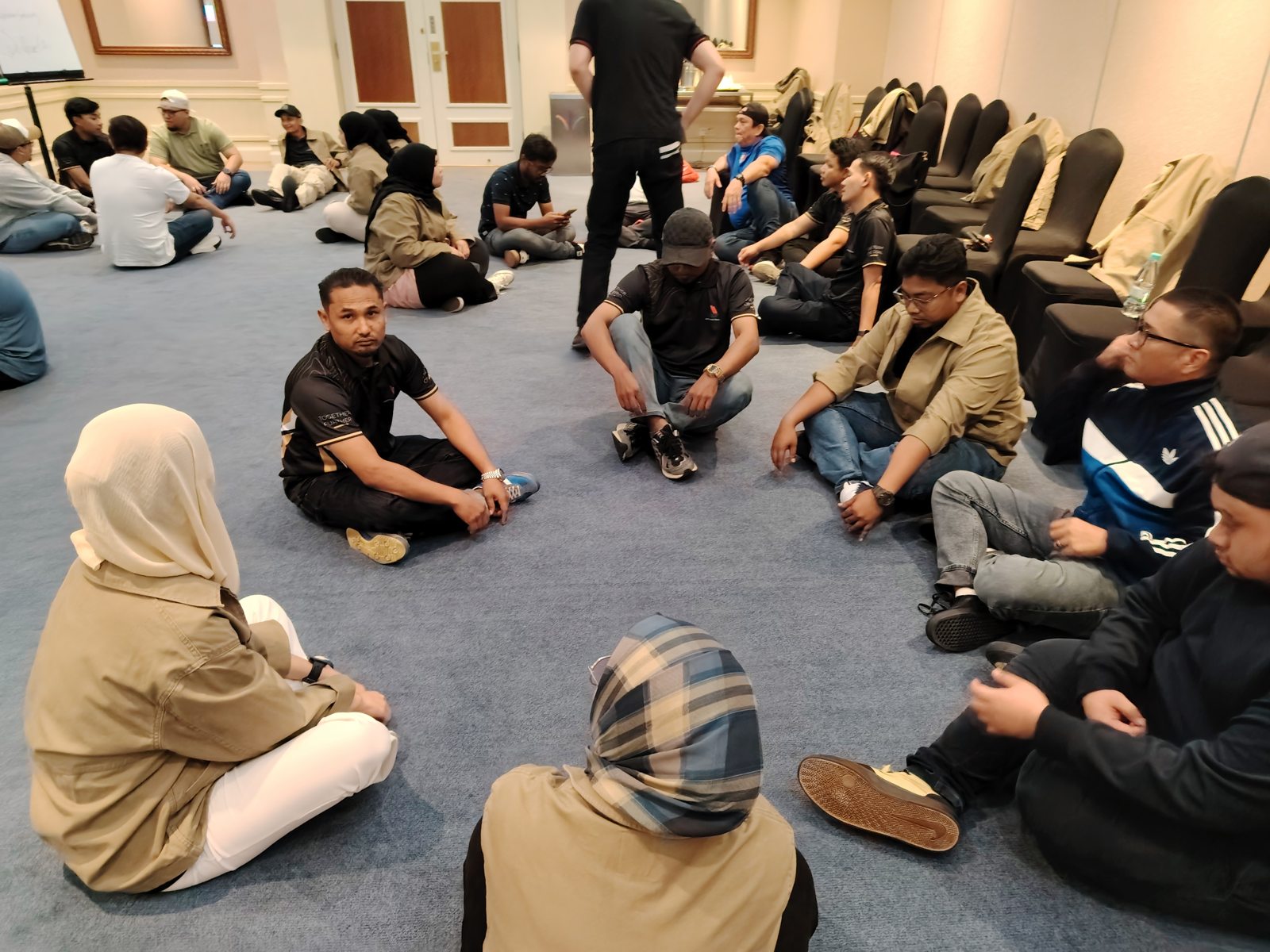
Explore indoor workshops, collaborative challenges, outdoor activities and venue settings from the supplied team building photo collection. Select any photograph to view the full image.
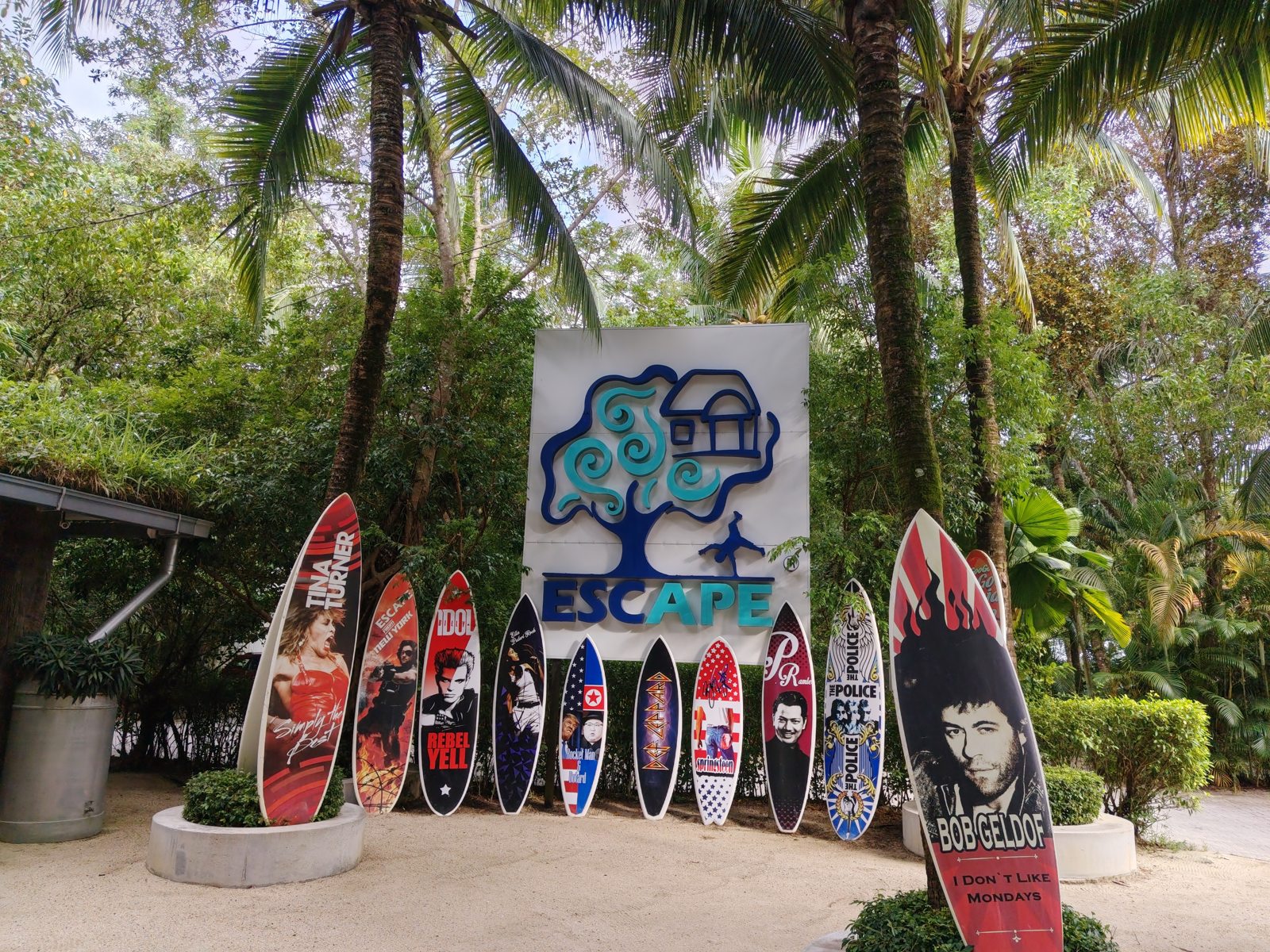
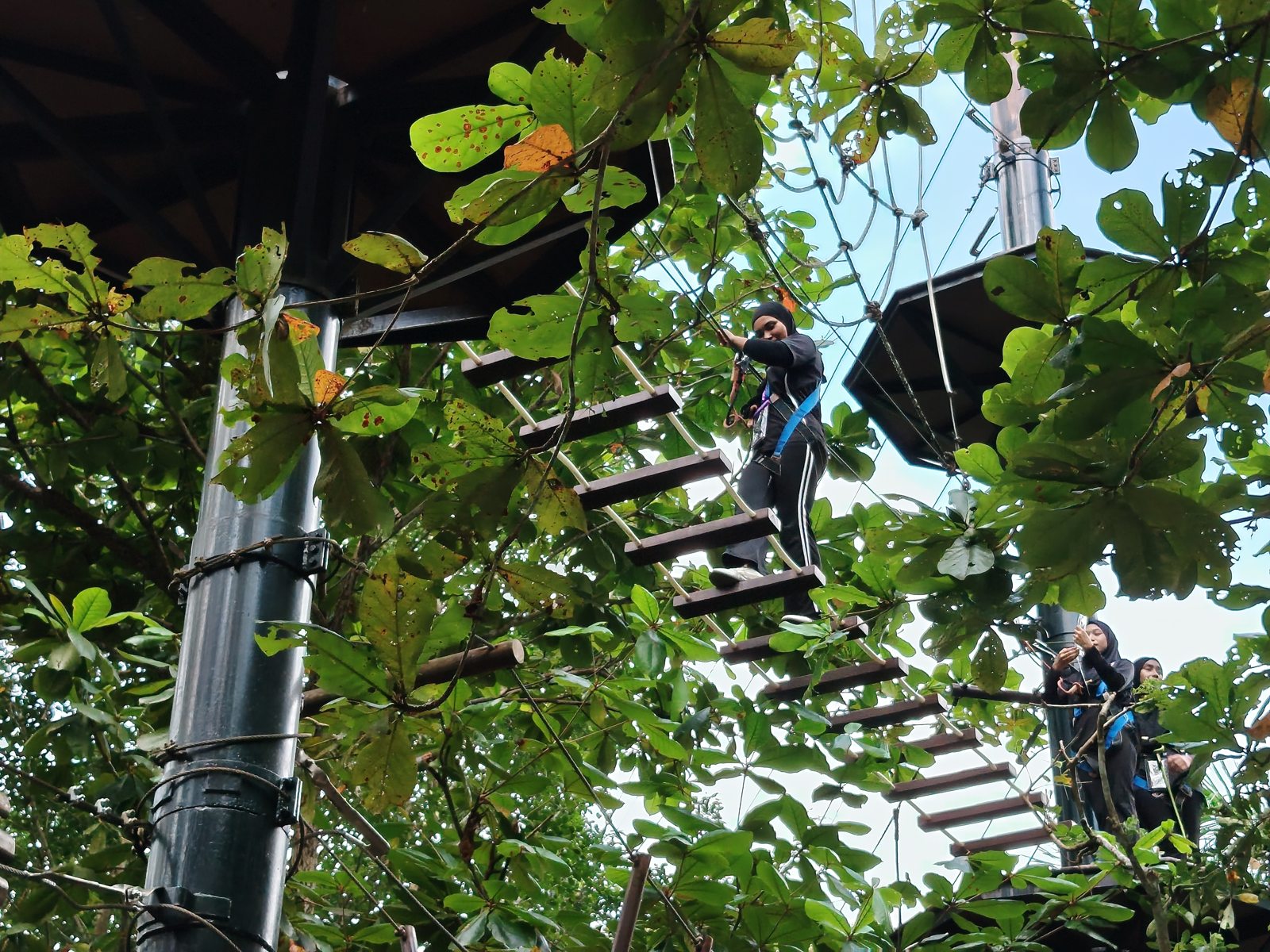
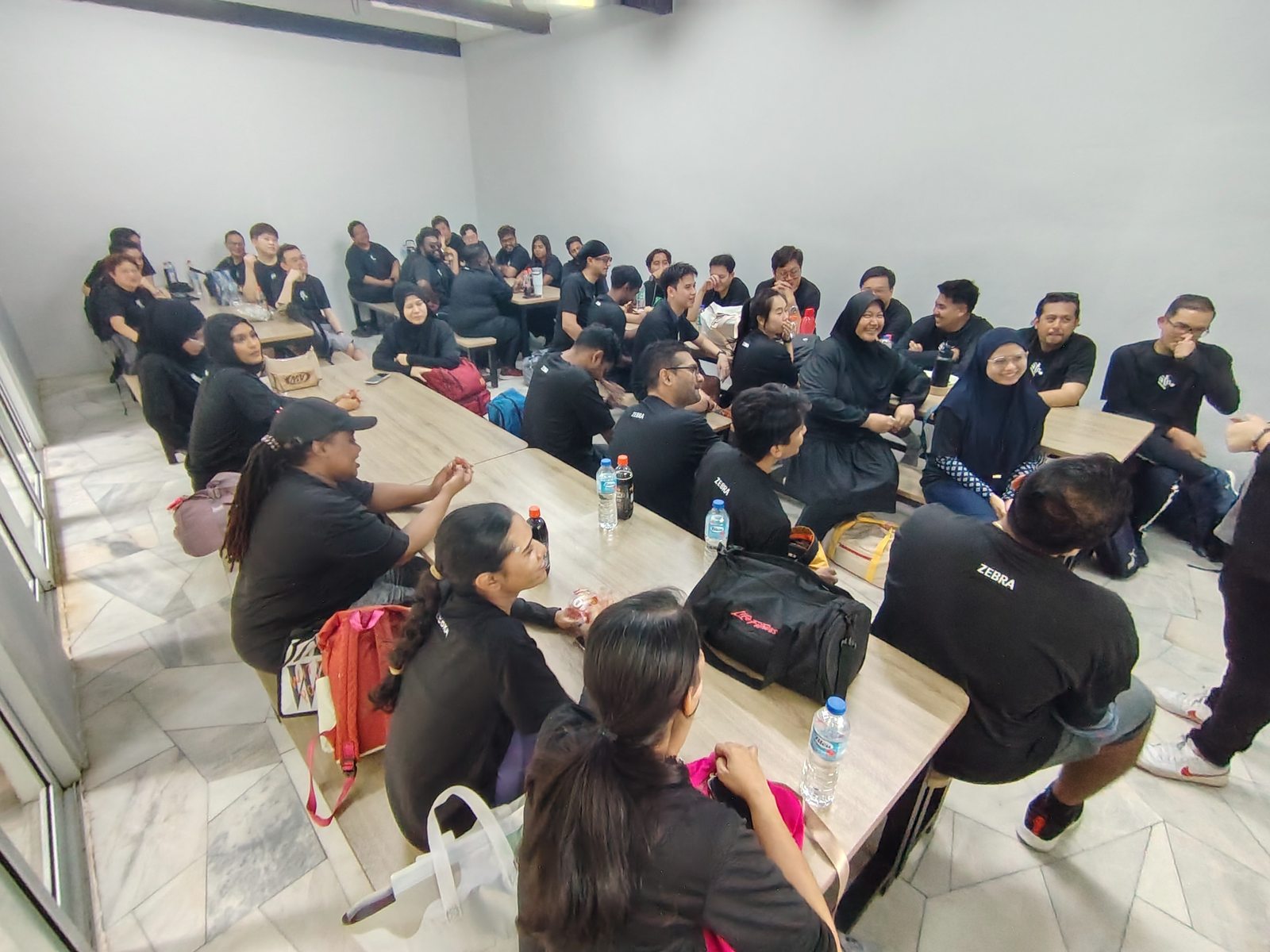
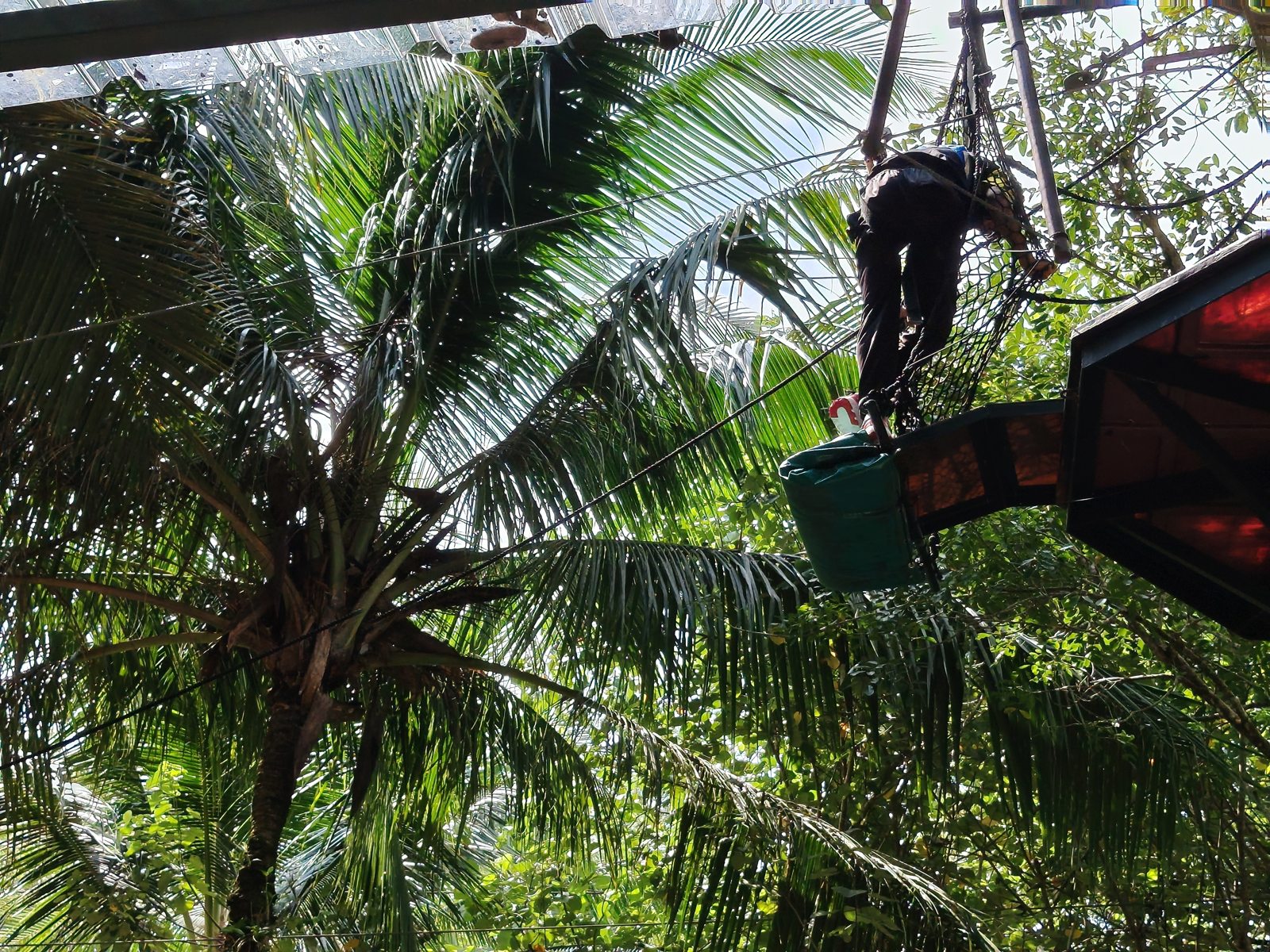
HRDC claimable team building: frequently asked questions
Can HRDF funds pay for every part of a team building trip?
No. Build the budget around approved training and eligible costs. Treat leisure extras separately and verify each item against the scheme, ACM and grant approval. A package advertised as claimable is not a guarantee that every component will be funded.
Can several employers attend the same programme?
A shared programme can be planned, but the correct scheme and eligibility must be confirmed. Record each employer’s trainees, fee allocation, grant responsibility and final attendance. SLB has specific conditions and should not be assumed to apply to every provider-led joint event.
Is one trainer enough for 50 pax?
Do not decide staffing from headcount alone. Check the approved group structure, activity stations, learning needs and safety requirements. The staffing examples above are planning recommendations, not an official universal trainer ratio.
Does applying 15 days before departure guarantee approval?
No. For in-house training, the current official notice requires a 14-day interval after grant approval. Apply earlier, allow processing time and check the approved training date before committing travel.
When will our employer allowance arrive?
Payment follows a complete eligible claim and the approval/disbursement process, not the trip date. The published Version 5 FAQ gives an eight-working-day service benchmark for complete claims; confirm the current target and allow for queries or verification.
What should we send to request a proposal?
Send the intended dates, departure location, approximate headcount by employer, preferred area, day or overnight format, learning objectives and budget range. Avoid sending employee identity documents in an initial general enquiry.
Plan your HRDC claimable team building with Skeilling
Start with a practical brief so the programme, venue and budget can be assessed together. Ask for the course outline, trainer plan, itemised quotation and document responsibilities before confirming arrangements.
Request a proposal and document checklist · Call 011 3338 1053 · Email hrdc@skeilling.com
Related learning: communication training, leadership development and problem-solving training. Explore all Skeilling courses or return to Skeilling’s soft skills hub.
Request an HRDC team building proposal
Tell us your preferred dates, location, approximate headcount by employer, budget and learning goals in the message below. Our team will contact you to discuss the programme and documentation.
Your details will be used to respond to your enquiry. Read our privacy policy.