Planning HRDC team building in Kota Kinabalu? Let’s start with your team’s goals, estimated pax and dates. We can work out a 2D1N or 3D2N programme and check the venue requirements before you book.
Kota Kinabalu is a useful base when your Sabah team needs a city meeting venue and organised arrivals. You can keep training, meals and accommodation together rather than moving the group around for every session. A city base can also simplify airport transfers for teams flying in.
Ask us for a proposal · Compare Sabah locations
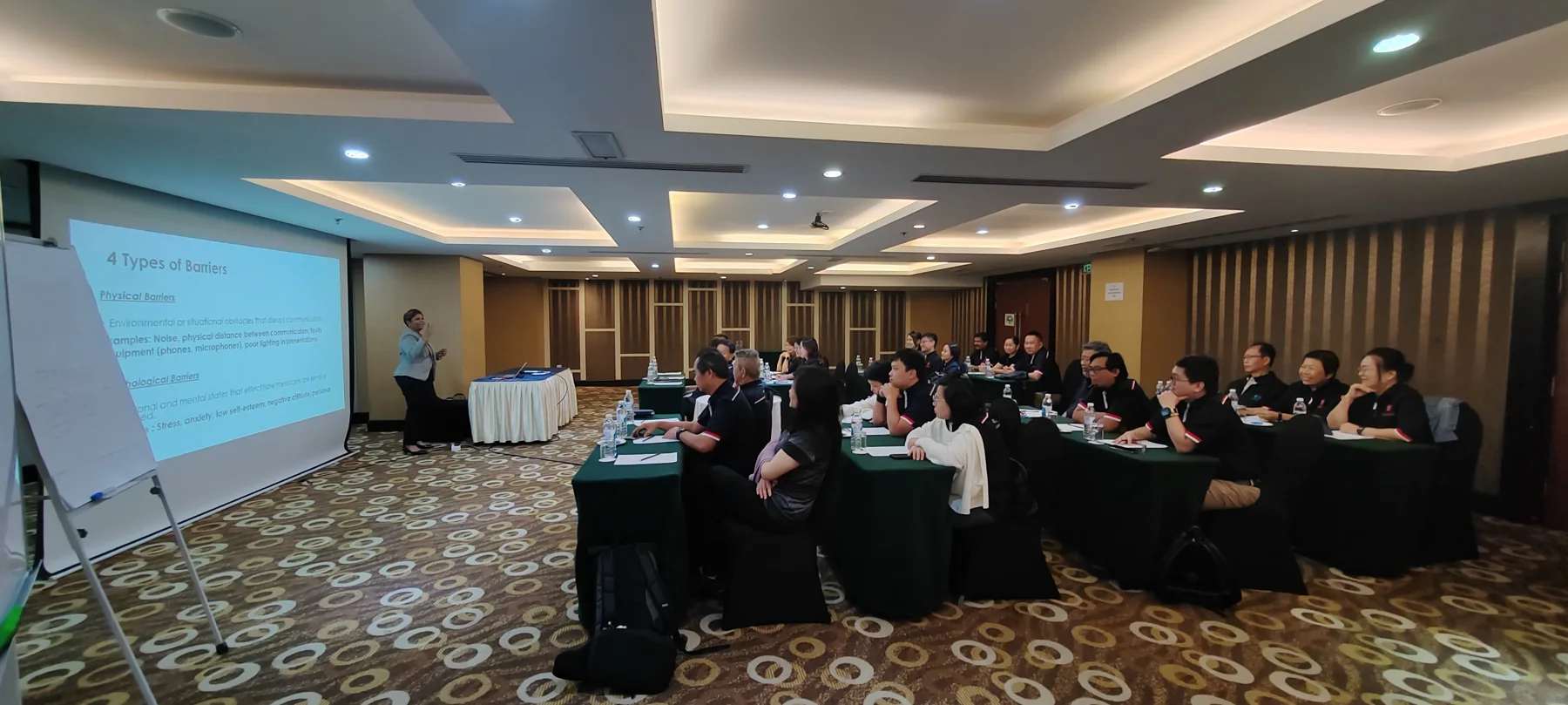
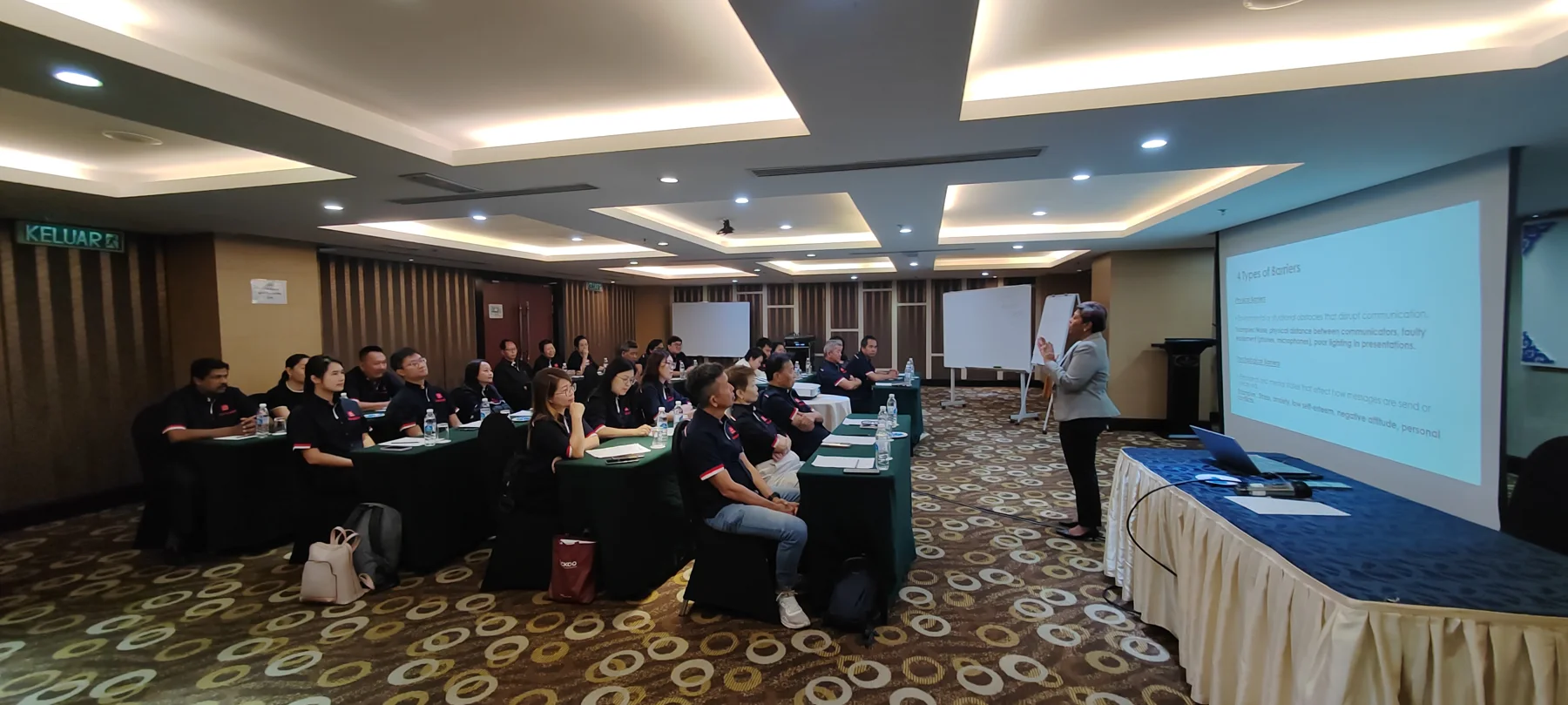
Kota Kinabalu team building photos
Kota Kinabalu rafting video
See the group’s rail journey and rafting outing in Sabah.
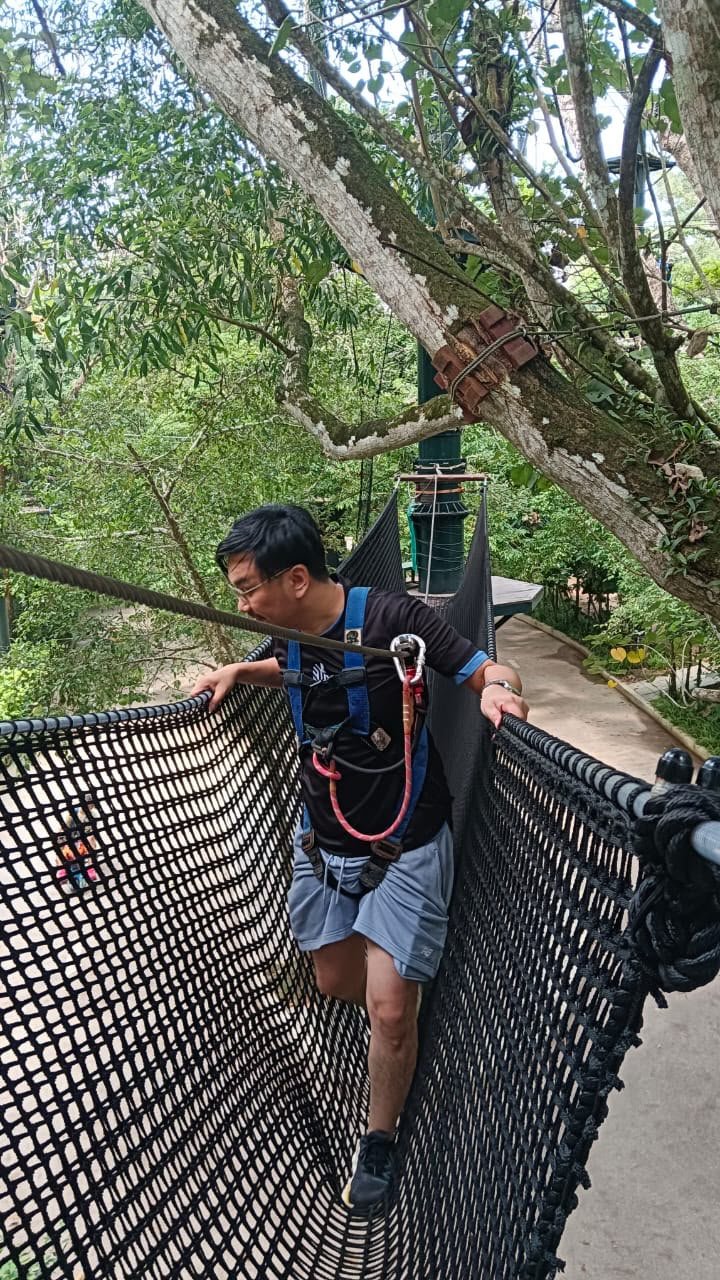
Kota Kinabalu extreme activities gallery
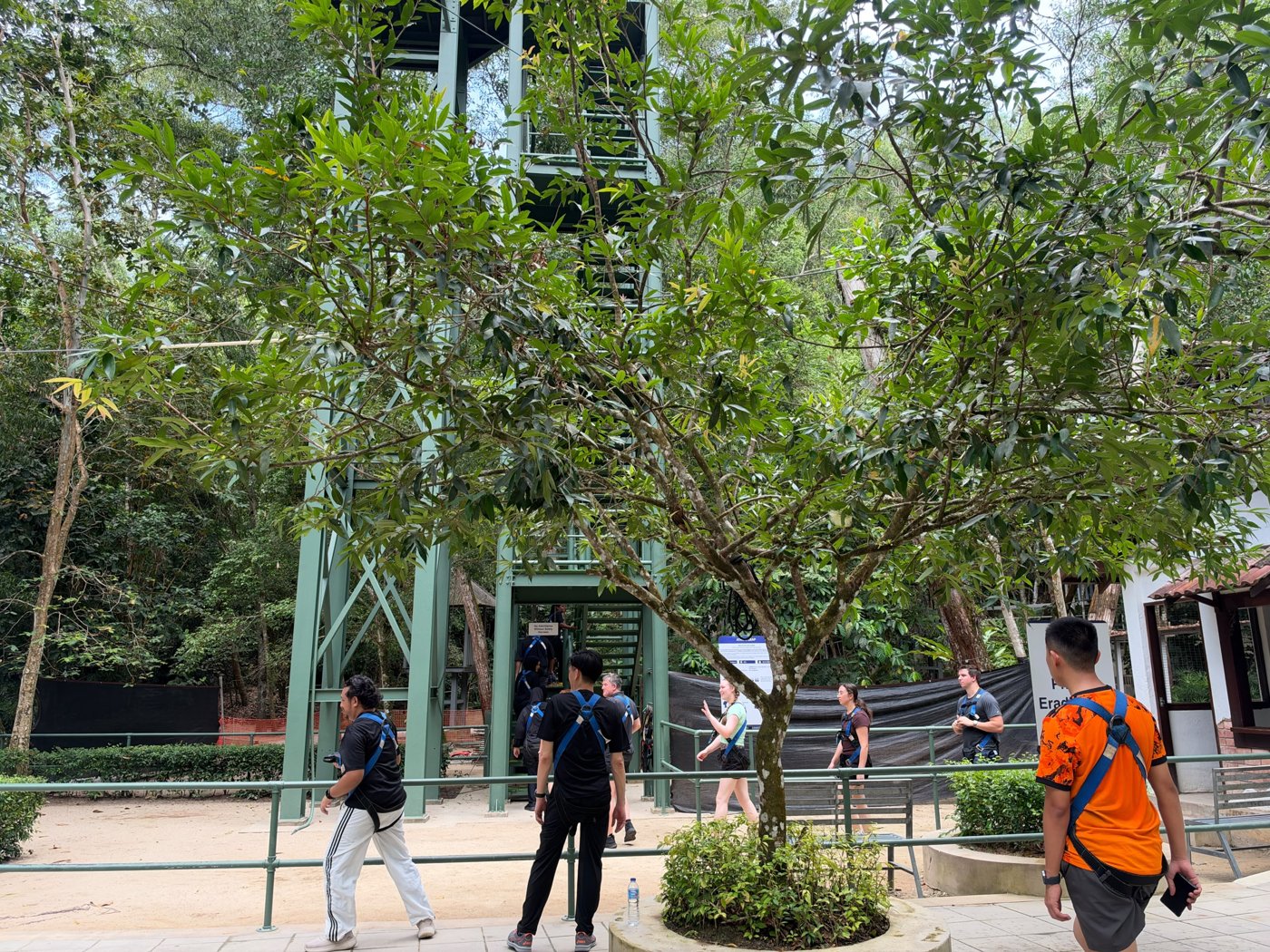
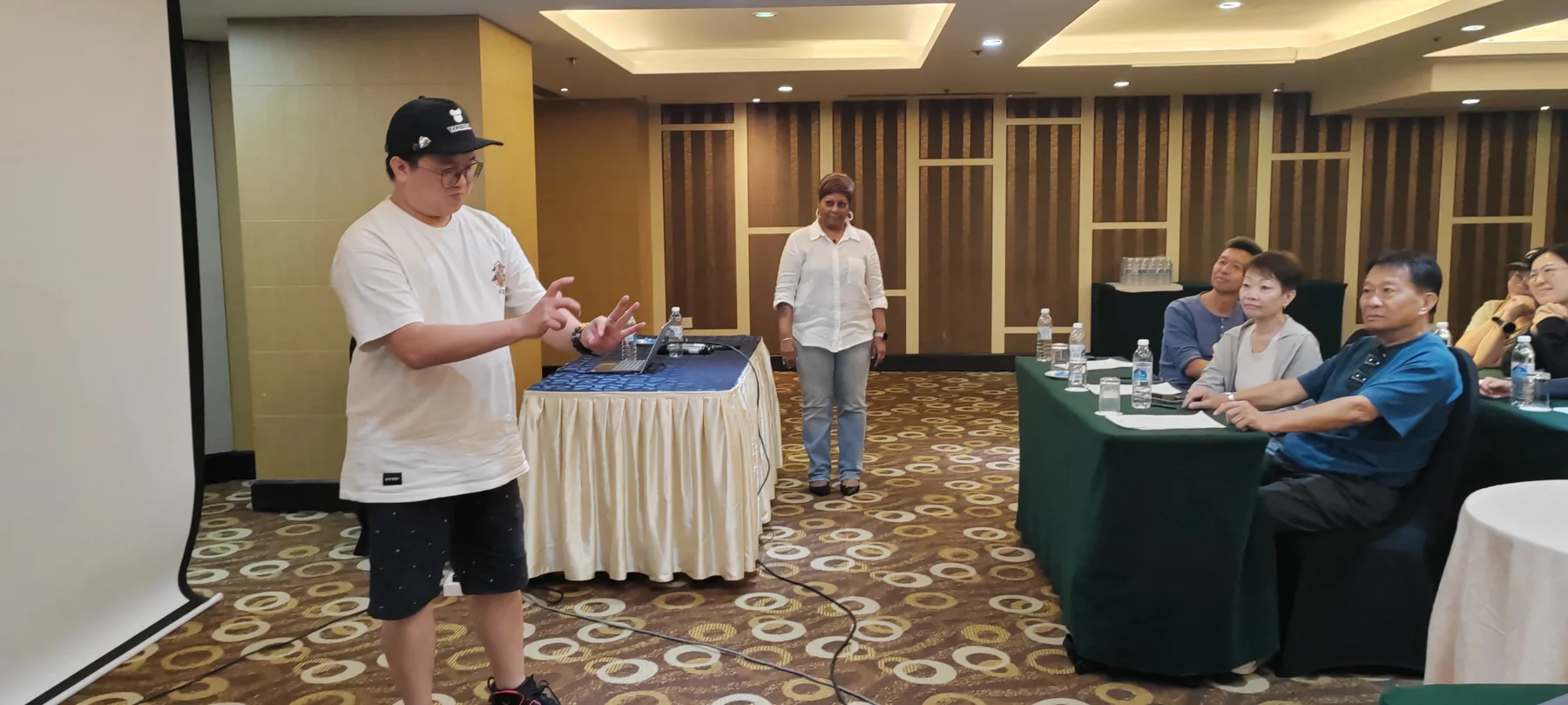
Kota Kinabalu indoor team activities gallery
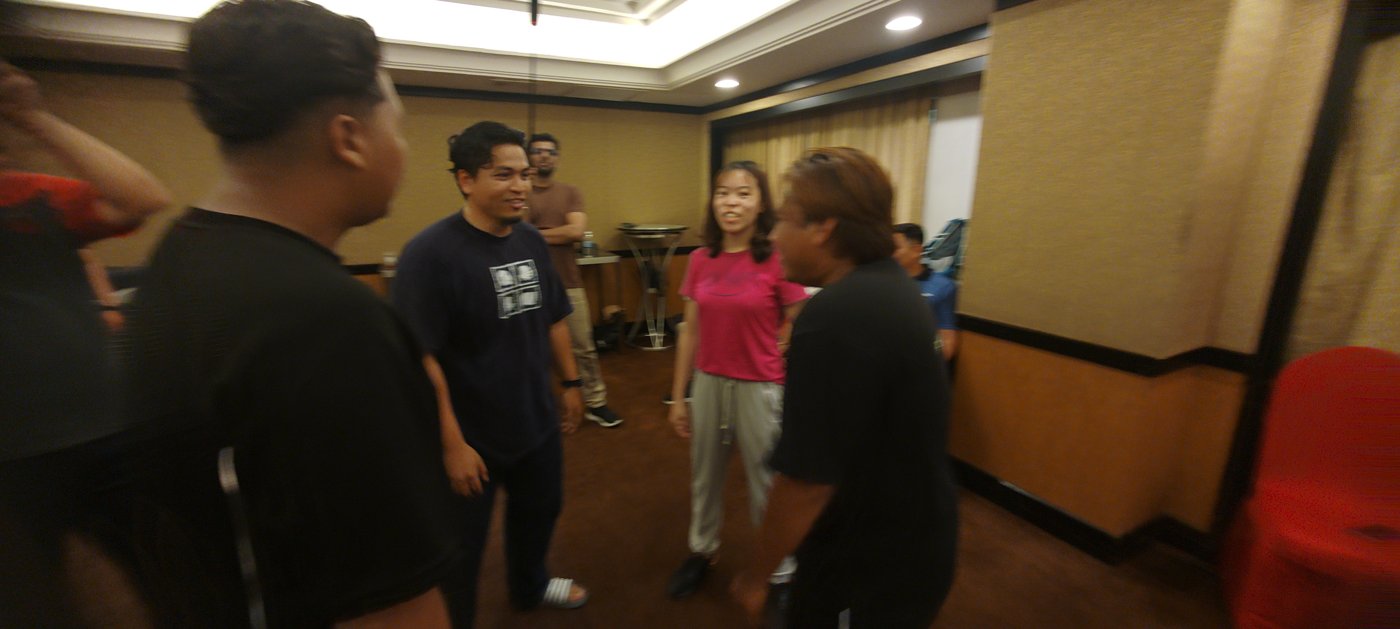
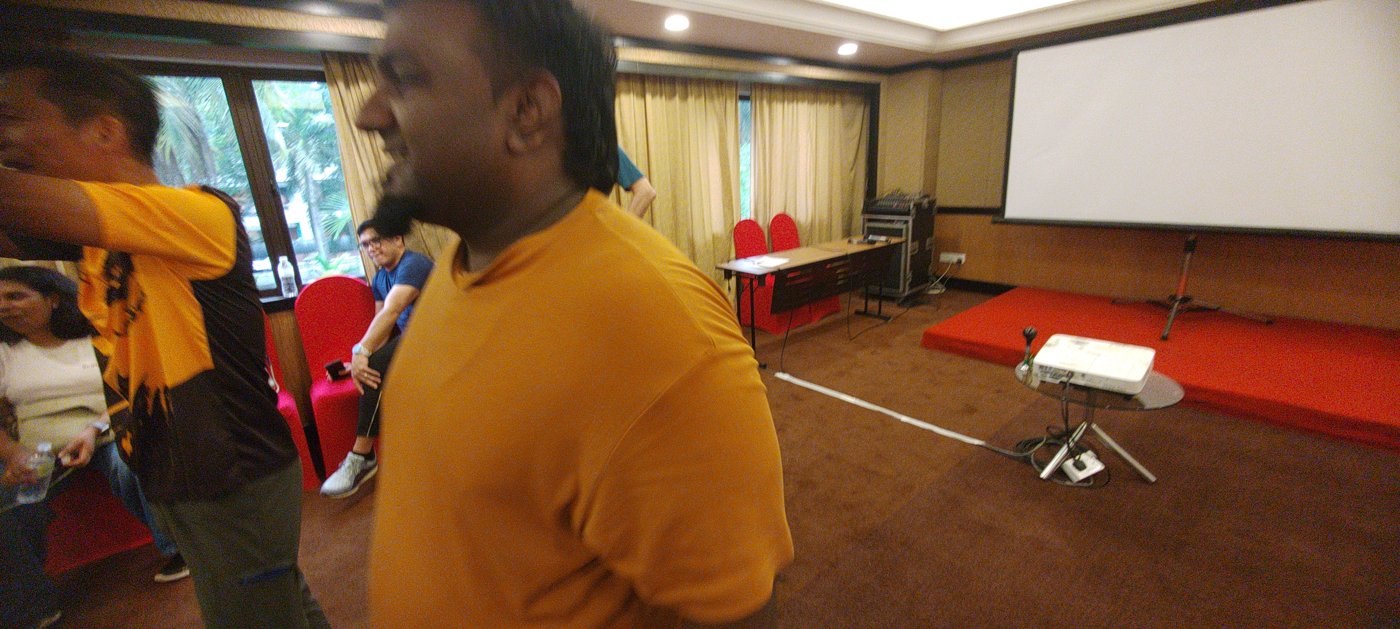
Kota Kinabalu food and seafood gallery
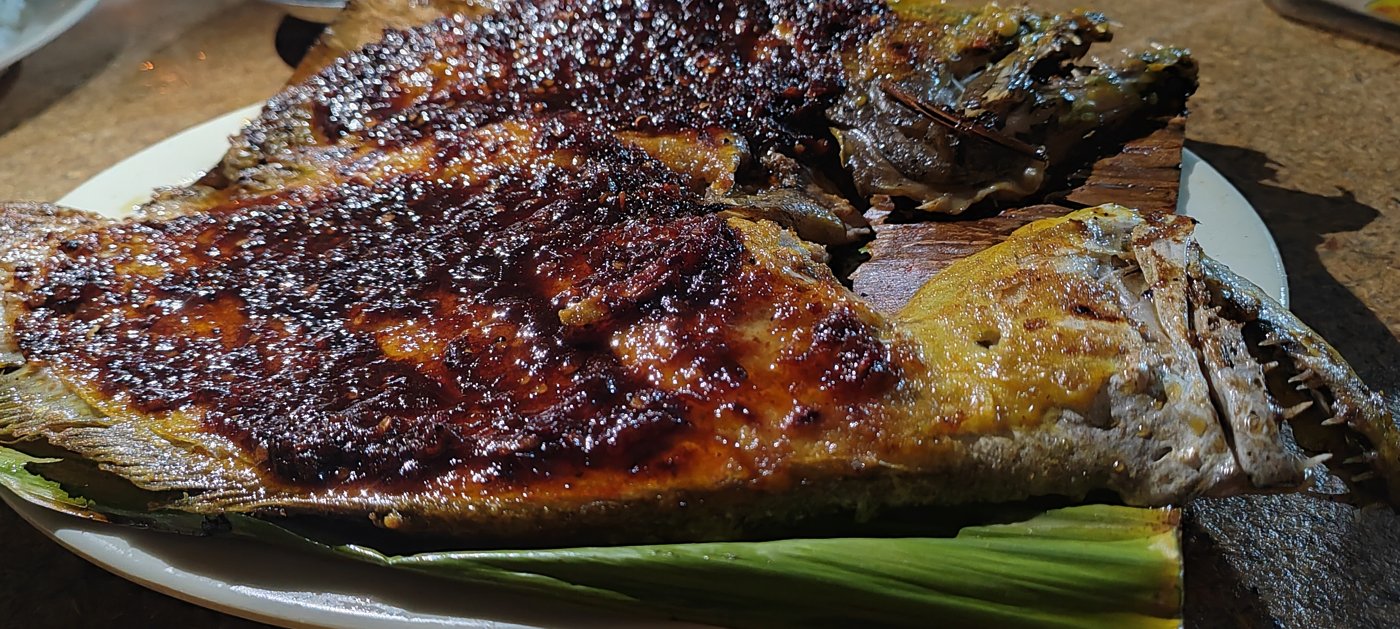

Kota Kinabalu leisure and sightseeing gallery

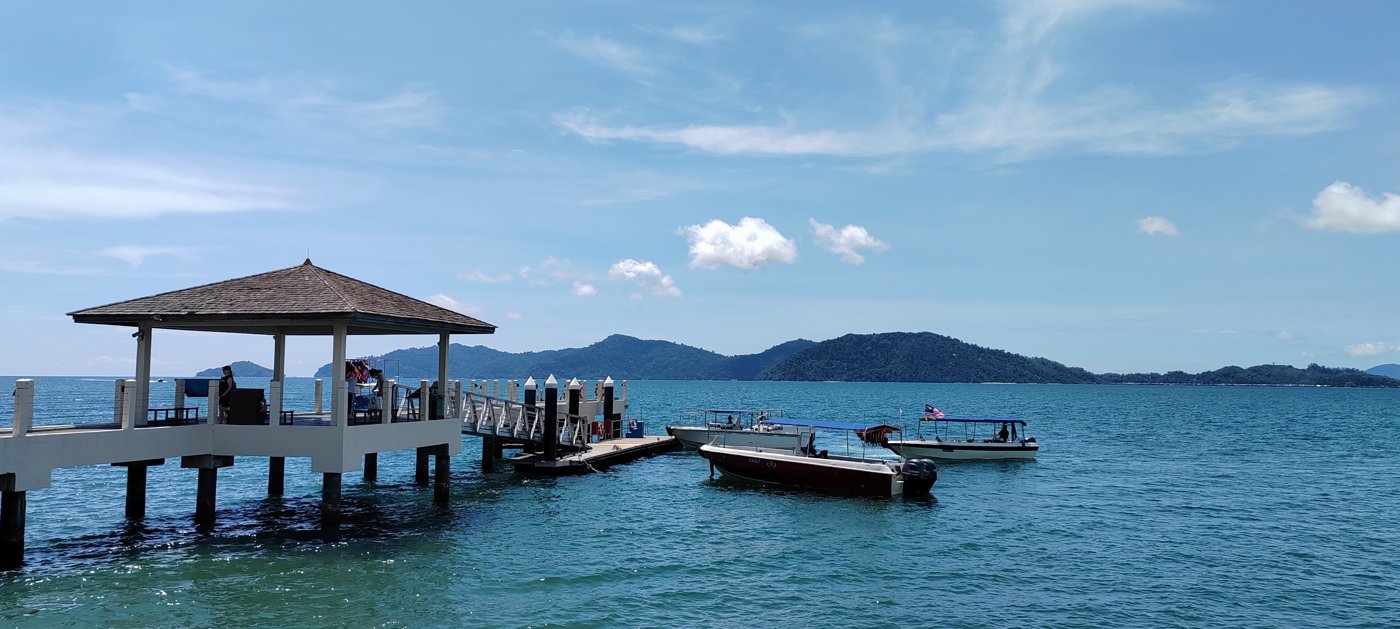

Why choose Kota Kinabalu for your team building?
Choose a city base for managers, service teams or branch groups that need structured discussion and presentations. It is also worth considering when participants arrive on different flights and a simple hotel reporting point matters more than a remote outdoor setting.
What to think about before deciding
An island outing or boat transfer can take up a large part of the day and can change with weather conditions. Keep leisure trips separate from the learning schedule. If a nature setting is central to your objectives, compare Kundasang and budget separately for the road transfers.
Transport, access and the rain plan
Collect flight details before setting the first session. Give late-arrival instructions, allow for baggage and transfers, and keep the final learning session clear of flight check-in time. Do not plan compulsory sea activities for a mixed group without a suitable alternative.
Which venues can you consider?
| Venue / official information | What the venue lists | What to ask for |
|---|---|---|
| Hilton Kota Kinabalu | city hotel with ballrooms and meeting rooms | Ask the hotel for a classroom versus cluster-layout comparison, breakout space, luggage holding and transport arrangements for your actual arrival pattern. |
These are planning options, subject to the venue’s current availability and written quotation. Skeilling prepares this guide independently; listing a property does not mean an official partnership or confirmed booking. Ask who supplies the trainer, who runs each activity and which costs are included.
More Kota Kinabalu hotel options
Compare the meeting base and the accommodation plan separately. A room booking does not automatically include a private training venue, meals or facilitators.
| Hotel guide | Planning option | What to confirm |
|---|---|---|
| Le Méridien Kota Kinabalu | Meeting and breakout spaces for a city-based programme. | Confirm room layout, breakout privacy and airport arrival window. |
| Hyatt Centric Kota Kinabalu | Flexible rooms including combined Meeting Rooms 1 and 2. | Confirm partitions, usable floor area and indoor workshop layout. |
| Kota Kinabalu Marriott Hotel | Ballroom and divided spaces with meeting support. | Confirm the selected ballroom section, shared foyer and final-day access. |
| Hotel 7 Suria | Accommodation base inside Suria Sabah; private training space not verified. | Confirm a separate training venue, lift reporting route and separately arranged meals. |
Each guide includes proposed 2D1N and 3D2N learning agendas, venue checks and provisional weekday/weekend stay-and-meal estimates. Hotel 7 Suria’s sample training agenda depends on a separately confirmed venue. All estimates need a written quotation.
What should your team learn?
For Kota Kinabalu, one proposed module is a service recovery exercise where front-line, support and management teams must resolve an issue using one shared set of facts. We adjust the difficulty, language and physical demands to suit your group. Choose a few useful outcomes and give the team time to review what happened.
| Objective | What participants practise | Evidence to take back |
|---|---|---|
| Clear communication | Give a short briefing, ask questions and check understanding. | A simple briefing and checkback checklist. |
| Better collaboration | Share information and agree on responsibilities between groups. | A handover map with named owners. |
| Practical leadership | Rotate the leader role and give specific, respectful feedback. | Peer feedback and one behaviour to practise. |
| Workplace follow-up | Agree on one improvement the team can test within 30 days. | An action plan with an owner and review date. |
Sample 2D1N Kota Kinabalu team building itinerary
This plan has 11 learning hours: 6 hours on Day 1 and 5 hours on Day 2. Travel, meals, breaks, check-in and leisure are excluded. An overnight stay does not automatically mean two full claimable training days.
| Day / time | Proposed session | Learning evidence |
|---|---|---|
| Day 1 · 10:00–12:00 | Team goals, baseline communication task and group agreement | Starting measures and team expectations |
| Day 1 · 13:00–15:00 | A service recovery exercise where front-line, support and management teams must resolve an issue using one shared set of facts. | Observed briefings and decision notes |
| Day 1 · 15:15–17:15 | Review the challenge, rotate responsibilities and test an improved approach | Before-and-after handover checklist |
| Day 2 · 09:00–11:00 | Leadership rotation and peer feedback | Feedback on specific behaviours |
| Day 2 · 11:15–12:45 | Cross-team problem solving and review | Agreed improvement ideas |
| Day 2 · 13:45–15:15 | Team charter, 30-day action plan and evaluation | Named owners and review date |
Sample 3D2N Kota Kinabalu team building itinerary
This plan has 15 learning hours: 4 on Day 1, 7 on Day 2 and 4 on Day 3. The first afternoon allows a separate arrival window; confirm that your actual transport timings support it.
| Day / time | Proposed session | Learning evidence |
|---|---|---|
| Day 1 · 13:30–15:30 | Learning goals, communication baseline and team agreement | Baseline observations |
| Day 1 · 15:45–17:45 | Shared-information exercise and debrief | Briefing checklist |
| Day 2 · 09:00–10:30 | Leadership roles, feedback practice and task briefing | Role and feedback notes |
| Day 2 · 10:45–12:45 | A service recovery exercise where front-line, support and management teams must resolve an issue using one shared set of facts. | Decision and handover records |
| Day 2 · 13:45–15:45 | Repeat the challenge with changed resources or responsibilities | Revised team strategy |
| Day 2 · 16:00–17:30 | Debrief and connect the learning to actual work | Workplace examples and improvement ideas |
| Day 3 · 09:00–11:00 | Department action planning and team charter | Practical commitments |
| Day 3 · 11:15–13:15 | Peer review, presentations and evaluation | Owner, deadline and 30-day review plan |
These are proposed learning structures. Finalise the course outline, indoor/outdoor balance, trainer assignments, risk controls and timetable for submission. If an activity changes, check the approval requirements before proceeding.
How many pax, how many trainers and what budget?
Tell us your estimated pax first. For planning, 10–20 pax may use one lead trainer and one facilitator; 21–35 pax may need two facilitators; 36–50 pax may need three. These are staffing illustrations, not official HRDC ratios. Larger groups need properly planned batches, assigned trainers and attendance records. Technical activities need additional qualified safety personnel where required.
The final pax depends on the approved programme, room layout, accommodation, activity space and safe delivery. Confirm workshop capacity after tables and activity stations are added; a theatre or banquet maximum is not a useful substitute.
| Cost item | How to check it |
|---|---|
| Training delivery | Trainer days, facilitators, preparation, materials and evaluation. |
| Accommodation and meals | Room type × rooms × nights; meals × pax, including trainer arrangements. |
| Venue and equipment | Training-room hours, breakout areas, AV, activity space and setup time. |
| Transport and activities | Coach routes, transfers, selected equipment and specialist instructors. |
| Other charges | Taxes, service charges, surcharges, deposits and cancellation terms. |
If a few employers join one programme
Agree on the organiser and a written cost allocation before applying. One possible commercial allocation is shared cost × each employer’s pax ÷ total pax; employer-specific costs stay with that employer. For example, 12 out of 30 pax represents 40% of a genuinely shared item. Commercial sharing does not determine the approved claim amount. Each employer needs the correct grant, participant list, invoice allocation and supporting records, with no duplicate claims.
See the Pecahan Kos / joint venture letter sample and the shared-cost illustration. The final arrangement must match the scheme and approved grants.
HRDC funds, documents and timing
HRDC claimability depends on the employer, course, provider, trainers, scheme conditions and approved cost items. A hotel package or a team-building label does not guarantee approval. Use the employer’s eligible levy funds only for costs allowed under the applicable scheme and approval; keep optional leisure and unsupported expenses separate.
Apply early. Do not rely on “15 days before the trip” as a safe submission deadline. Allow time for review and queries, and observe the current approval-to-start requirement for your scheme. Check HRD Corp’s current Claimable Courses requirements before confirming the training date.
| Stage | Employer / organiser | Training provider / venue |
|---|---|---|
| Before grant submission | Check eligibility and levy balance; confirm participants, dates, objectives and employer details. | Provide the correct quotation, course outline, detailed timetable, trainer profile and relevant registration details. |
| Before the programme | Keep approval and any conditions; confirm the roster, transport, rooming and authorised cost allocation. | Match the delivery, trainer assignment, safety plan and attendance arrangements to the approved programme. |
| After training / claim | Keep required attendance, evaluation and approved allowance/payment evidence; check the claim requirements in eTRiS. | Provide the correct invoice, delivery records and required course/trainer documents; respond to queries with factual evidence. |
For employer allowances, first confirm which items are approved and which current forms and supporting evidence apply. Keep eligible participants, attendance, dates, payment records and cost allocation consistent. Do not assume every hotel receipt is claimable or promise staff an allowance before the employer checks the approval.
There is no guaranteed payment date based on the trip ending. Timing depends on a complete claim, verification, queries and processing. HR should track the claim in eTRiS and plan cash flow without relying on a fixed reimbursement promise. Read the detailed document checklist and grant and claim timeline.
Outdoor modules, Amazing Race and treasure hunt queries
Skeilling has experienced HRDC queries involving Amazing Race and treasure-hunt modules. This is our reported experience, not a statement that every outdoor module is officially banned. Describe the actual exercise, learning objective, trainer role, debrief and evidence accurately. Do not simply rename a recreational activity to make it appear eligible. Check the proposed module before committing to it.
If an HRDC inspection takes place
Have the approved programme, actual attendance, trainer details and relevant delivery records available. Give the inspector the correct on-site contact and explain any changes truthfully. Keep participant information secure and follow the inspector’s legitimate requirements. Never backdate attendance or create evidence for a session that did not happen. See the inspection preparation guide.
Common planning questions
Can you arrange 2D1N or 3D2N team building in Kota Kinabalu?
We can discuss either duration based on your objectives, pax, dates, venue availability and the course requirements. The sample timetables are proposals and need final confirmation.
Is Kota Kinabalu automatically HRDC claimable?
No. Eligibility depends on the employer, course, provider, trainers, scheme conditions and approved costs. Confirm the grant and conditions before the programme.
Can I enquire before the pax and dates are final?
Yes. Estimated pax, preferred month, likely duration and a location shortlist are enough to start the discussion. We will confirm the details before preparing the final arrangements.
Compare nearby programme options
Kundasang team building · Longer Sabah itineraries with flights
Venue references checked on 3 November 2026. Facilities, offers and operating arrangements can change; confirm the current scope with the venue.
Let’s plan your Kota Kinabalu team building
Share how many days you are considering, where you would like to run it, how many pax may join and when you are planning to go. Estimates are welcome — you do not need to have everything confirmed. Include your main team goal and any access or dietary requirements when you are ready.