Planning HRDC team building in Kuah? Let’s start with your team’s goals, estimated pax and dates. We can work out a 2D1N or 3D2N programme and check the venue requirements before you book.
Kuah can work for a Langkawi programme where the team prefers a town-side meeting base or is planning arrivals around the jetty. It offers a different style of stay from Pantai Cenang. Choose according to your reporting point, training room and budget rather than assuming every Langkawi venue gives the same experience.
Ask us for a proposal · Compare Langkawi locations
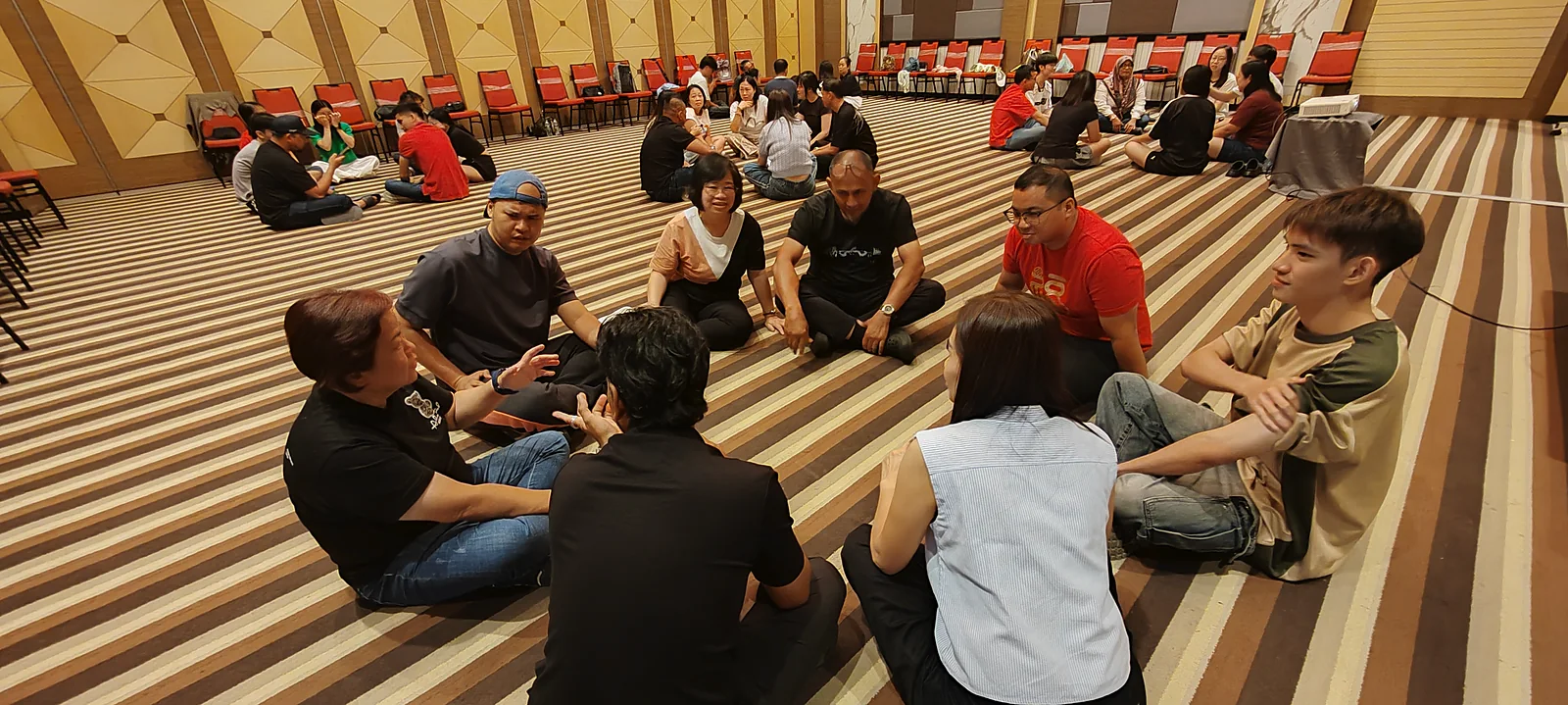
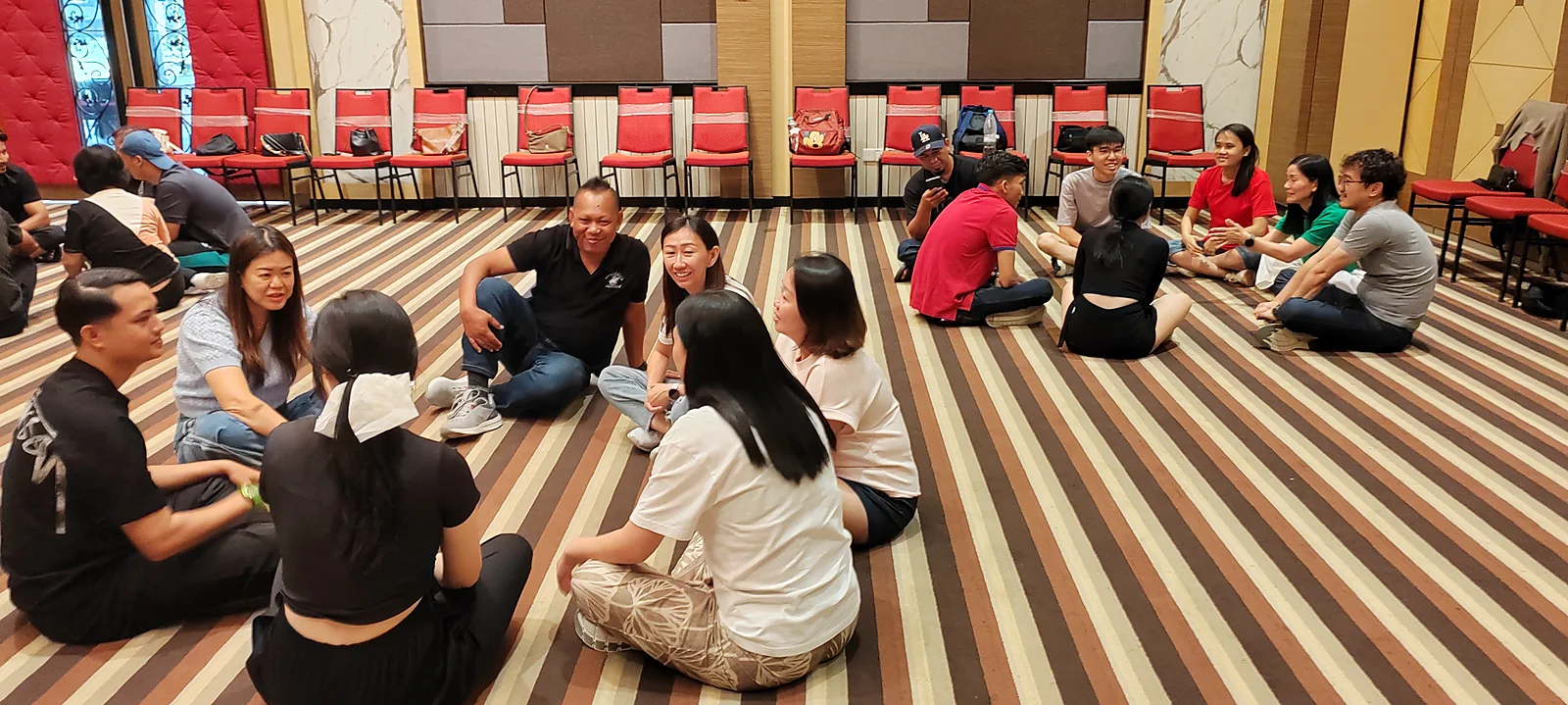
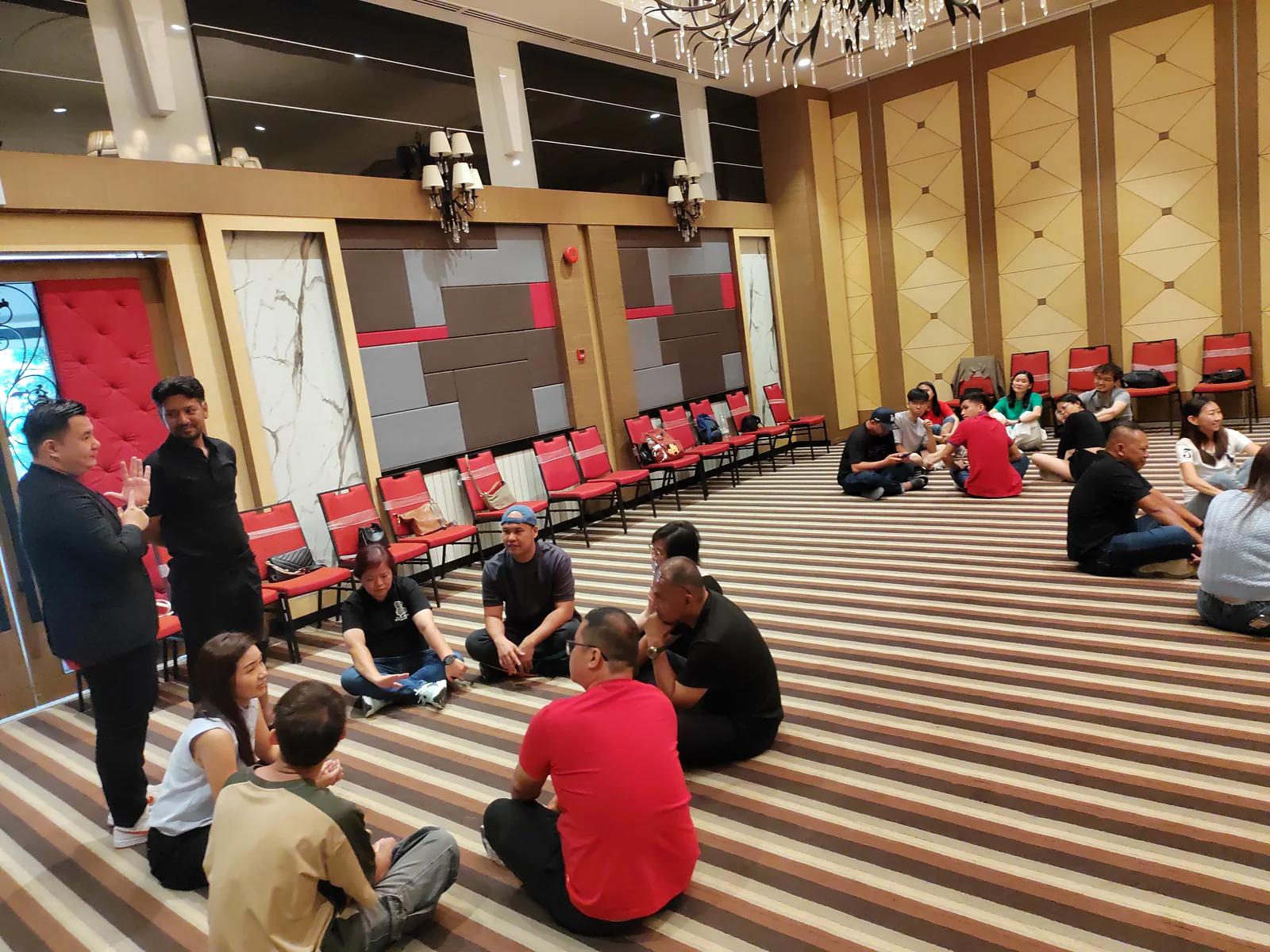
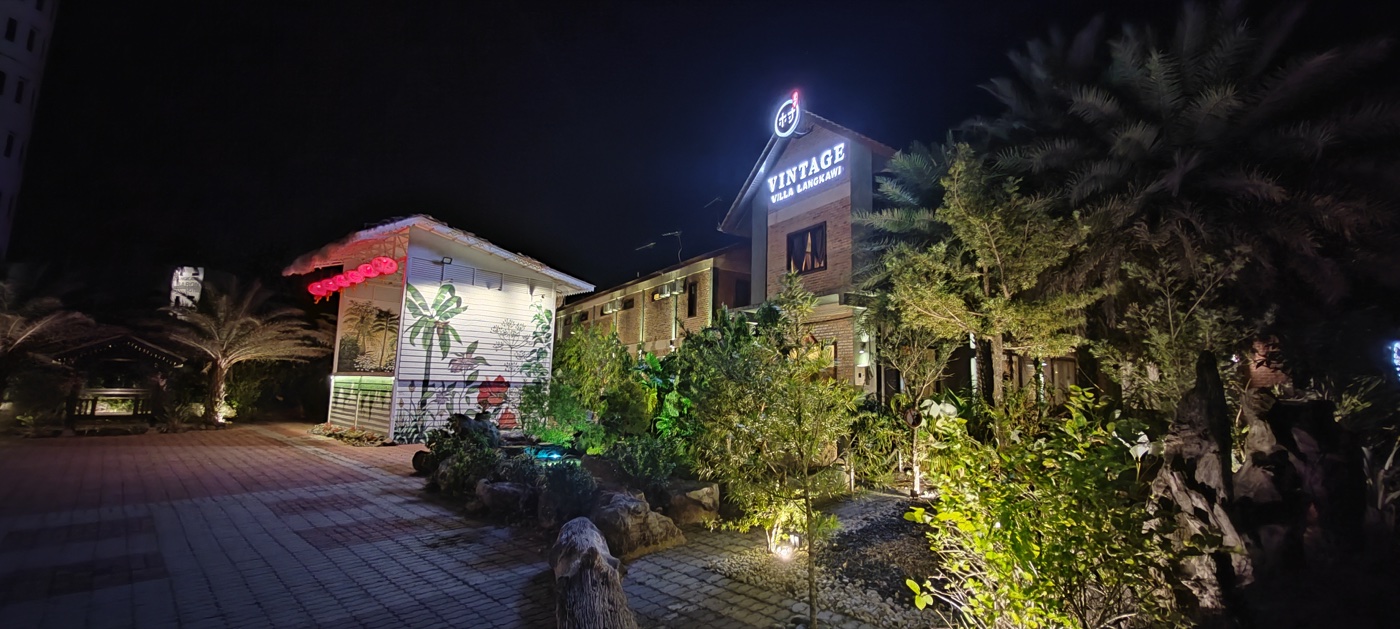
Kuah team building photo gallery
A look at our team sessions and venue photos in Kuah. Activities can be adjusted to your group size and learning goals.
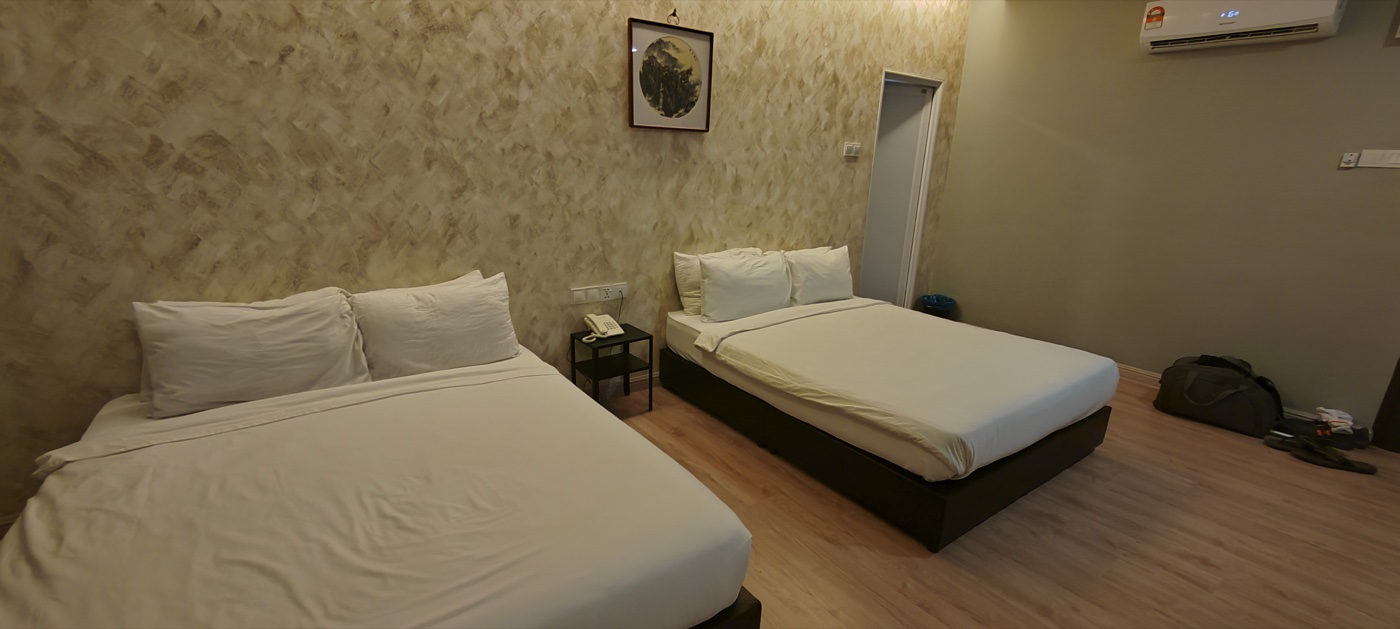
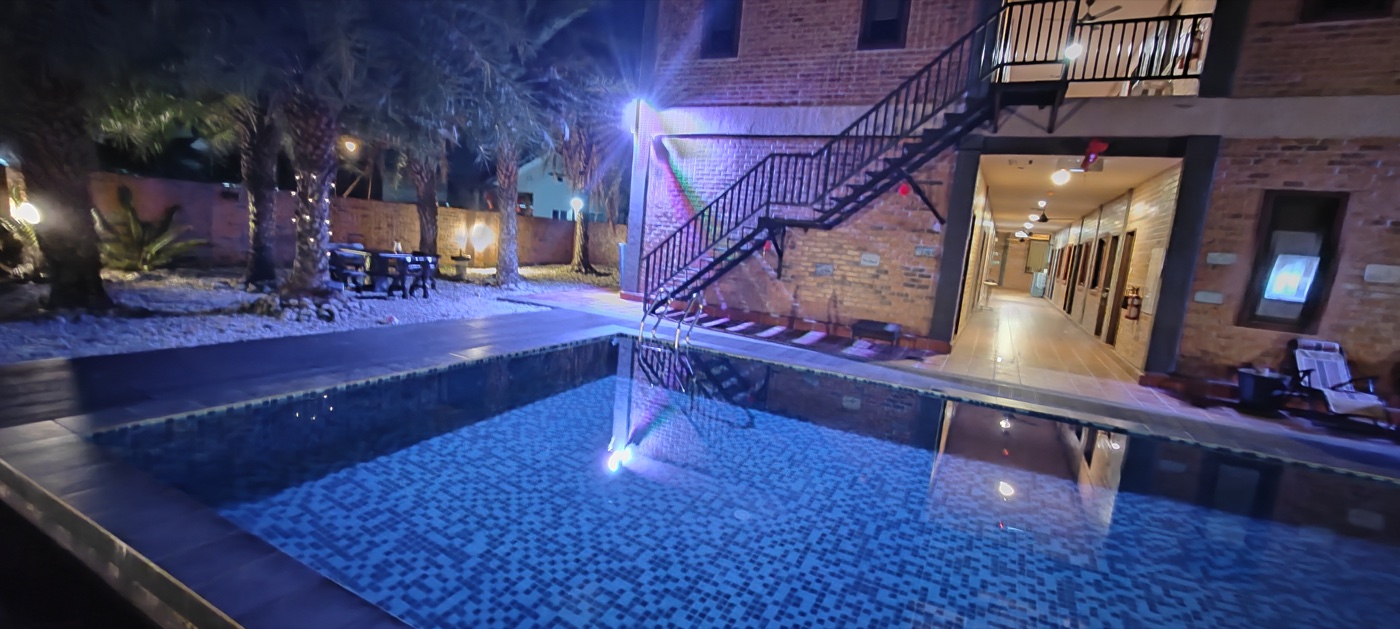
Why choose Kuah for your team building?
Consider Kuah for a workshop-led programme, branch discussions and leadership planning. A town hotel may suit a straightforward meeting stay, while a resort on the Kuah side can provide a different room and dining arrangement.
What to think about before deciding
Do not assume a Kuah hotel is on Pantai Cenang beach. Island transfers and optional excursions can still take up substantial time. We are not recommending Bayview as a confirmed operating venue while its official site carries a renovation closure notice; obtain a current reopening confirmation if you consider it.
Transport, access and the rain plan
For ferry arrivals, confirm the current sailing and reporting arrangements before setting the timetable. For flight arrivals, organise the separate airport transfer. Keep a clear contact person for delays and avoid compulsory boat excursions as a default team activity.
Which venues can you consider?
| Venue / official information | What the venue lists | What to ask for |
|---|---|---|
| Langkawi Seaview Hotel | Kuah town hotel offering meeting and seminar packages | Confirm the exact room, available dates, group layout, meals and indoor activity backup. |
These are planning options, subject to the venue’s current availability and written quotation. Skeilling prepares this guide independently; listing a property does not mean an official partnership or confirmed booking. Ask who supplies the trainer, who runs each activity and which costs are included.
Compare Kuah venues for your team building stay
Compare proposed 2D1N and 3D2N programmes, room arrangements and estimated weekday/weekend stay and meal budgets.
- Dayang Bay Resort Langkawi team building guide — itineraries, venue checks and provisional per-pax estimates.
Estimates are planning budgets, not confirmed supplier quotations or HRDC allowance limits. Training fees, transport, meeting-space charges and other exclusions are shown separately in each guide.
What should your team learn?
For Kuah, one proposed module is a planning exercise where groups coordinate different arrival times and resources, then build a shared contingency plan. We adjust the difficulty, language and physical demands to suit your group. Choose a few useful outcomes and give the team time to review what happened.
| Objective | What participants practise | Evidence to take back |
|---|---|---|
| Clear communication | Give a short briefing, ask questions and check understanding. | A simple briefing and checkback checklist. |
| Better collaboration | Share information and agree on responsibilities between groups. | A handover map with named owners. |
| Practical leadership | Rotate the leader role and give specific, respectful feedback. | Peer feedback and one behaviour to practise. |
| Workplace follow-up | Agree on one improvement the team can test within 30 days. | An action plan with an owner and review date. |
Sample 2D1N Kuah team building itinerary
This plan has 11 learning hours: 6 hours on Day 1 and 5 hours on Day 2. Travel, meals, breaks, check-in and leisure are excluded. An overnight stay does not automatically mean two full claimable training days.
| Day / time | Proposed session | Learning evidence |
|---|---|---|
| Day 1 · 10:00–12:00 | Team goals, baseline communication task and group agreement | Starting measures and team expectations |
| Day 1 · 13:00–15:00 | A planning exercise where groups coordinate different arrival times and resources, then build a shared contingency plan. | Observed briefings and decision notes |
| Day 1 · 15:15–17:15 | Review the challenge, rotate responsibilities and test an improved approach | Before-and-after handover checklist |
| Day 2 · 09:00–11:00 | Leadership rotation and peer feedback | Feedback on specific behaviours |
| Day 2 · 11:15–12:45 | Cross-team problem solving and review | Agreed improvement ideas |
| Day 2 · 13:45–15:15 | Team charter, 30-day action plan and evaluation | Named owners and review date |
Sample 3D2N Kuah team building itinerary
This plan has 15 learning hours: 4 on Day 1, 7 on Day 2 and 4 on Day 3. The first afternoon allows a separate arrival window; confirm that your actual transport timings support it.
| Day / time | Proposed session | Learning evidence |
|---|---|---|
| Day 1 · 13:30–15:30 | Learning goals, communication baseline and team agreement | Baseline observations |
| Day 1 · 15:45–17:45 | Shared-information exercise and debrief | Briefing checklist |
| Day 2 · 09:00–10:30 | Leadership roles, feedback practice and task briefing | Role and feedback notes |
| Day 2 · 10:45–12:45 | A planning exercise where groups coordinate different arrival times and resources, then build a shared contingency plan. | Decision and handover records |
| Day 2 · 13:45–15:45 | Repeat the challenge with changed resources or responsibilities | Revised team strategy |
| Day 2 · 16:00–17:30 | Debrief and connect the learning to actual work | Workplace examples and improvement ideas |
| Day 3 · 09:00–11:00 | Department action planning and team charter | Practical commitments |
| Day 3 · 11:15–13:15 | Peer review, presentations and evaluation | Owner, deadline and 30-day review plan |
These are proposed learning structures. Finalise the course outline, indoor/outdoor balance, trainer assignments, risk controls and timetable for submission. If an activity changes, check the approval requirements before proceeding.
How many pax, how many trainers and what budget?
Tell us your estimated pax first. For planning, 10–20 pax may use one lead trainer and one facilitator; 21–35 pax may need two facilitators; 36–50 pax may need three. These are staffing illustrations, not official HRDC ratios. Larger groups need properly planned batches, assigned trainers and attendance records. Technical activities need additional qualified safety personnel where required.
The final pax depends on the approved programme, room layout, accommodation, activity space and safe delivery. Confirm workshop capacity after tables and activity stations are added; a theatre or banquet maximum is not a useful substitute.
| Cost item | How to check it |
|---|---|
| Training delivery | Trainer days, facilitators, preparation, materials and evaluation. |
| Accommodation and meals | Room type × rooms × nights; meals × pax, including trainer arrangements. |
| Venue and equipment | Training-room hours, breakout areas, AV, activity space and setup time. |
| Transport and activities | Coach routes, transfers, selected equipment and specialist instructors. |
| Other charges | Taxes, service charges, surcharges, deposits and cancellation terms. |
If a few employers join one programme
Agree on the organiser and a written cost allocation before applying. One possible commercial allocation is shared cost × each employer’s pax ÷ total pax; employer-specific costs stay with that employer. For example, 12 out of 30 pax represents 40% of a genuinely shared item. Commercial sharing does not determine the approved claim amount. Each employer needs the correct grant, participant list, invoice allocation and supporting records, with no duplicate claims.
See the Pecahan Kos / joint venture letter sample and the shared-cost illustration. The final arrangement must match the scheme and approved grants.
HRDC funds, documents and timing
HRDC claimability depends on the employer, course, provider, trainers, scheme conditions and approved cost items. A hotel package or a team-building label does not guarantee approval. Use the employer’s eligible levy funds only for costs allowed under the applicable scheme and approval; keep optional leisure and unsupported expenses separate.
Apply early. Do not rely on “15 days before the trip” as a safe submission deadline. Allow time for review and queries, and observe the current approval-to-start requirement for your scheme. Check HRD Corp’s current Claimable Courses requirements before confirming the training date.
| Stage | Employer / organiser | Training provider / venue |
|---|---|---|
| Before grant submission | Check eligibility and levy balance; confirm participants, dates, objectives and employer details. | Provide the correct quotation, course outline, detailed timetable, trainer profile and relevant registration details. |
| Before the programme | Keep approval and any conditions; confirm the roster, transport, rooming and authorised cost allocation. | Match the delivery, trainer assignment, safety plan and attendance arrangements to the approved programme. |
| After training / claim | Keep required attendance, evaluation and approved allowance/payment evidence; check the claim requirements in eTRiS. | Provide the correct invoice, delivery records and required course/trainer documents; respond to queries with factual evidence. |
For employer allowances, first confirm which items are approved and which current forms and supporting evidence apply. Keep eligible participants, attendance, dates, payment records and cost allocation consistent. Do not assume every hotel receipt is claimable or promise staff an allowance before the employer checks the approval.
There is no guaranteed payment date based on the trip ending. Timing depends on a complete claim, verification, queries and processing. HR should track the claim in eTRiS and plan cash flow without relying on a fixed reimbursement promise. Read the detailed document checklist and grant and claim timeline.
Outdoor modules, Amazing Race and treasure hunt queries
Skeilling has experienced HRDC queries involving Amazing Race and treasure-hunt modules. This is our reported experience, not a statement that every outdoor module is officially banned. Describe the actual exercise, learning objective, trainer role, debrief and evidence accurately. Do not simply rename a recreational activity to make it appear eligible. Check the proposed module before committing to it.
If an HRDC inspection takes place
Have the approved programme, actual attendance, trainer details and relevant delivery records available. Give the inspector the correct on-site contact and explain any changes truthfully. Keep participant information secure and follow the inspector’s legitimate requirements. Never backdate attendance or create evidence for a session that did not happen. See the inspection preparation guide.
Common planning questions
Can you arrange 2D1N or 3D2N team building in Kuah?
We can discuss either duration based on your objectives, pax, dates, venue availability and the course requirements. The sample timetables are proposals and need final confirmation.
Is Kuah automatically HRDC claimable?
No. Eligibility depends on the employer, course, provider, trainers, scheme conditions and approved costs. Confirm the grant and conditions before the programme.
Can I enquire before the pax and dates are final?
Yes. Estimated pax, preferred month, likely duration and a location shortlist are enough to start the discussion. We will confirm the details before preparing the final arrangements.
Compare nearby programme options
Pantai Cenang · Pelangi Beach Resort & Spa Langkawi
Venue references checked on 3 November 2026. Facilities, offers and operating arrangements can change; confirm the current scope with the venue.
Let’s plan your Kuah team building
Share how many days you are considering, where you would like to run it, how many pax may join and when you are planning to go. Estimates are welcome — you do not need to have everything confirmed. Include your main team goal and any access or dietary requirements when you are ready.